
Nowhere is change clearer than how people settle their restaurant bills these days. Long gone are piles of coins and clunky credit terminals - smooth digital swaps now take their place.
Speed matters most when people pay. A tap, a scan, or a phone swipe - how fast it happens shapes how they feel about the visit. Slower payments slow everything else down.
By 2026, skipping mobile or tap-to-pay isn’t an option. These ways to pay sit right at the heart of dining out. Places slow to change face slower lines, unhappy guests, missed sales - simple as that.
A look at mobile and touch-free payment methods begins here, showing their role in shaping how diners settle bills. Owners gain advantages too, through faster service and smoother operations. Behind the scenes, updated point-of-sale setups make the change possible. Shifts like these start small but reshape daily routines over time.
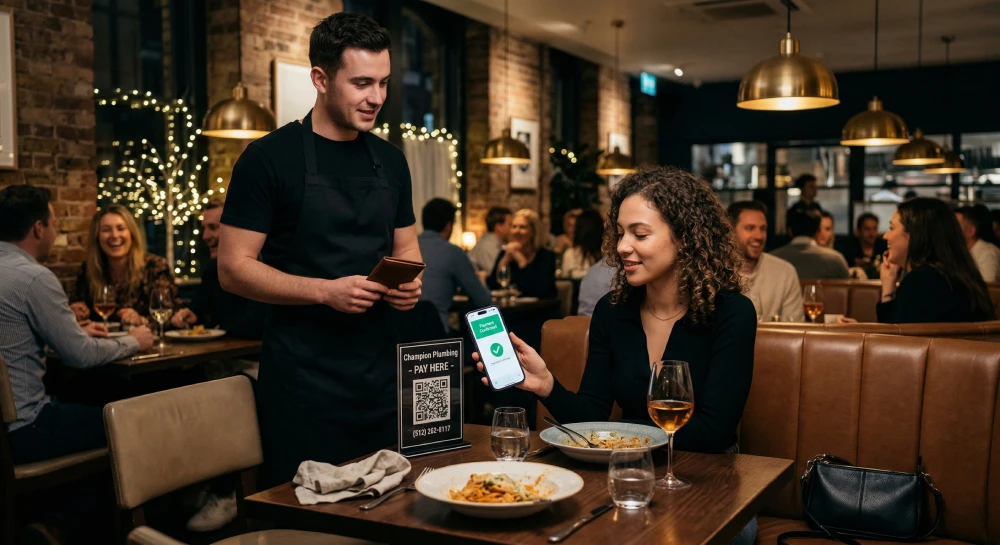
With mobile and contactless payments, tapping a phone finishes the purchase instead of using bills or swiping plastic. A wave near a reader replaces digging through wallets. Devices talk to terminals in seconds. No coins clink, no cards slide. Payment happens fast when tech connects nearby gadgets. Money moves quietly while hands stay free.
Most folks pay using these ways:
Touchless techniques cut down on hand-to-hand interaction while making checkout much faster. Slower lines become rare when systems skip traditional steps. Speed increases because fewer actions are needed from shoppers. Less touching happens as automated tools take over scanning. Quick exits grow common since payment flows without delays.
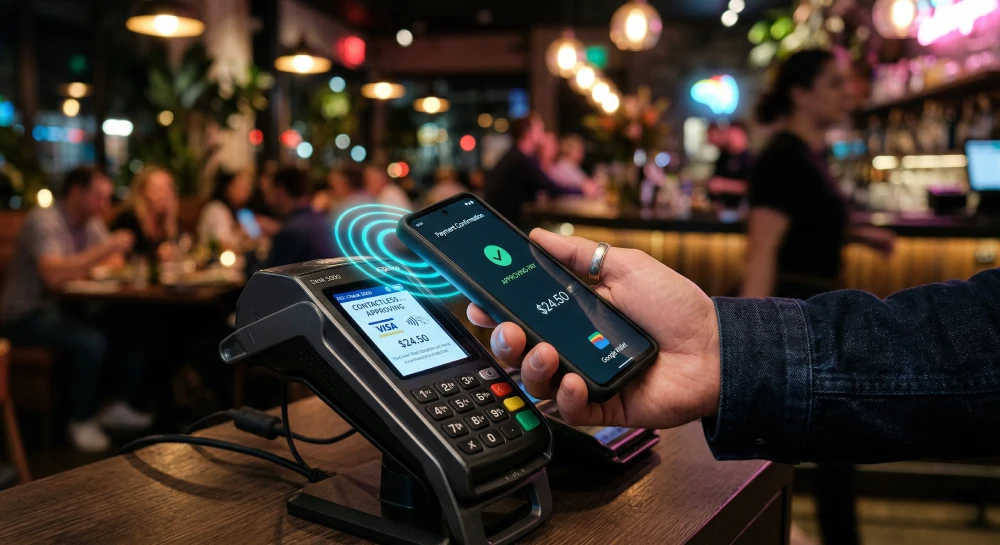
Several factors are driving the rapid adoption of contactless payments in restaurants.
Folks today care more about getting things done fast. If paying feels like a drag at the end, it might ruin what was actually a solid meal. Though the food wowed them earlier, standing around too long rings sour notes.
Most people have a phone in their pocket these days, so tapping to pay feels natural. Phones go everywhere, which means paying without cash just fits into daily life. Because everyone uses them often, swiping or scanning seems normal now.
Touch-free transactions mean less handling of money, slips of paper, or machines - something plenty of people continue to like. Though some find it odd at first, skipping the handshake with hardware just feels right after a while. Most folks stick around once they try tapping instead of swiping. Not everyone jumps on board immediately, yet comfort grows with repeated use. What begins as an experiment often becomes routine without much thought.
Faster movement helps most when crowds build up.
With contactless payments:
Fewer delays happen when workers spend less time handling payments. That shift means attention lands more on talking with customers instead of counting cash. Tasks move smoother because energy goes where it matters most.
Cash-based systems are prone to:
Fewer mistakes happen when money moves through digital channels. Every sale slips straight into the system, leaving a clear trail behind. Each step ties back without guesswork.
When lines stretch long at a restaurant's register, money slips away minute by minute.
Mobile and pay-at-table POS features allow customers to:
When tables clear quickly, more people get seated even if the restaurant size stays the same.
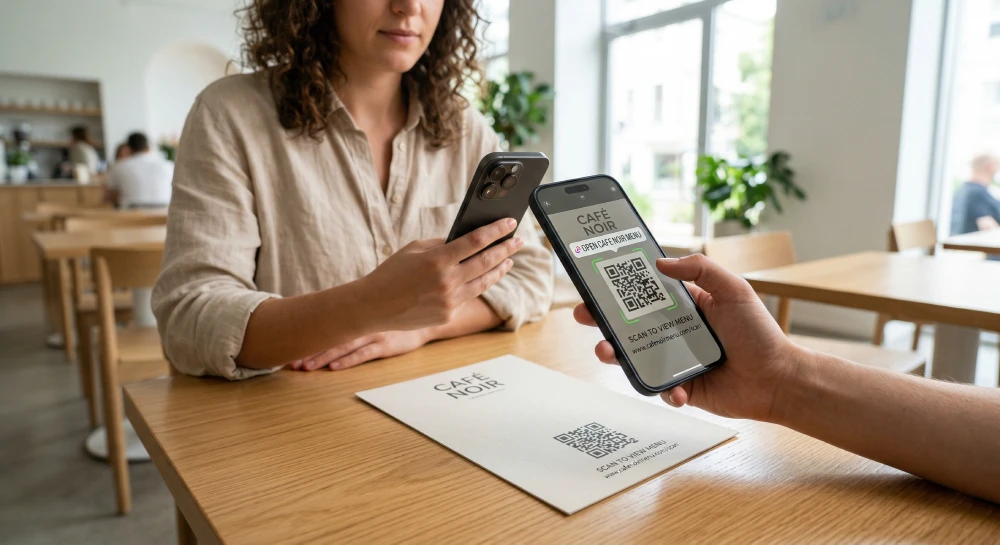
Now more folks are scanning codes to pay, particularly at laid-back eateries and coffee spots.
Benefits include:
Faster checkout happens through QR codes when they link up with POS setups, bringing correct charges along with immediate order approval.
Worry about safety shows up often, whether you’re running a restaurant or sitting at one. A shared unease lingers behind menus and kitchen doors alike.
Modern contactless payment systems use:
With a solid checkout setup, digital transactions tend to beat cash or outdated cards when it comes to safety.
A single payment option won’t cut it. Integration with the point-of-sale setup is essential.
Integrated POS Payments:
Fragments of payment networks often leave people guessing. Yet mismatched records pile up when links break down.
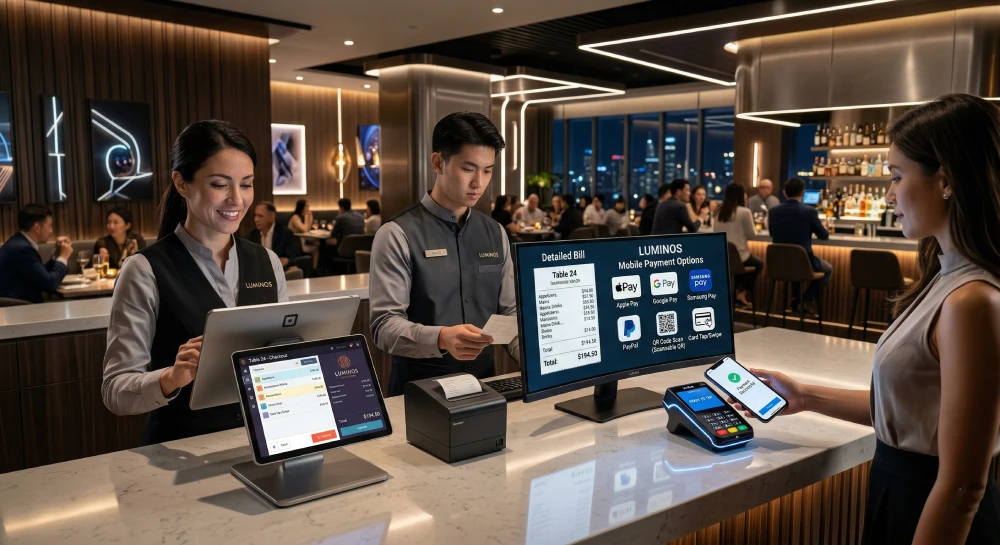
With EatzPro POS, handling today's payments feels smooth, minus the hassle.
EatzPro helps restaurants:
Payments stay seamless, precise, easy on customers - EatzPro handles it all without fuss, whether the kitchen hums quietly or runs nonstop.
Mobile and contactless payments benefit more than just customers.
When the internet drops, many newer POS setups keep running anyway.
Signage that stands out makes it easier for shoppers to try fresh ways of paying. Staff who point the way cut confusion when systems change.
With tools such as EatzPro, getting started becomes smoother while tech issues shrink. A system like this cuts down on complications right from the start.
Most of the time, people do not return to old ways of paying. After tasting speed and ease at checkout, that becomes their new normal - no matter where they shop.
Fewer diners will bother walking into places that still lack up-to-date ways to pay. What once seemed optional now feels essential - out of step means out of sight.
With taps instead of cash, meals now move faster past the register. A smoother visit often means happier guests who linger less but return more. Speed adds up behind the counter too - fewer delays, fewer hiccups stacking up mid-rush. Efficiency sneaks into daily rhythm when payment flows like part of the service.
Running without a POS system today? Think again. Modern payments need modern tools - simple as that.
Faster service shows up when eateries bring in tools like EatzPro - mobile pay becomes stress free. Happier guests walk out the door because tapping replaces handing over cards. Smooth runs happen behind counters once contactless systems take hold.
Mobile and contactless payments allow customers to pay using smartphones, digital wallets, NFC-enabled cards, or QR codes without physically handing over cash or cards, making transactions faster and more convenient.
Contactless payments improve customer experience by reducing wait times, speeding up table turnover, and minimizing physical interaction, while also increasing operational efficiency.
Customers scan a QR code placed on the table or bill using their smartphone, which opens a secure payment page where they can review their order and complete the payment instantly.
Yes, contactless payments are highly secure as they use encryption and tokenization technologies, reducing the risk of fraud compared to traditional card payments.
Yes. Modern Contactless Payment Systems Use Encryption, Tokenization, Secure Authentication, And Fraud Prevention Technologies To Protect Payment Information. These Security Measures Make Contactless Payments Highly Secure For Both Restaurants And Customers.
View MoreMobile Payments Enable Customers To Complete Transactions In Seconds, Split Bills, Pay Directly At The Table, And Avoid Waiting For Traditional Card Terminals. This Improves Customer Satisfaction While Allowing Restaurants To Serve More Guests During Busy Periods
View MoreMobile And Contactless Payments Allow Customers To Pay Using Smartphones, Digital Wallets, NFC-enabled Credit Or Debit Cards, QR Codes, Or Wearable Devices Without Physically Inserting A Card Or Handling Cash. These Payment Methods Provide A Faster, Safer, And More Convenient Checkout Experience.
View MoreModern Restaurant POS Systems Support Multiple Contactless Payment Options, Including:
Contactless Payments Reduce Checkout Times, Speed Up Table Turnover, Minimize Cash Handling, Improve Customer Convenience, And Enhance Payment Security. They Also Help Restaurants Deliver A Modern Dining Experience That Meets Customer Expectations.
View More