
Ahead of everything else, pace defines kitchens today. Where screens once dominated registers, speech now works alongside taps. Mistakes shrink as voice-ordered meals move directly into software. With less time spent confirming handwritten notes, pressure eases across shifts.
Devices quietly operate beneath countertops, listening, adapting, and responding. Out back, voices replace typing. Machines no longer wait for taps. They listen.
Restaurants are gradually shifting their order processes. By 2026, workflows are simpler, faster, and cleaner. Instead of crowded displays, spoken words move orders forward instantly. Technology handles repetitive tasks so staff can focus where it matters most.
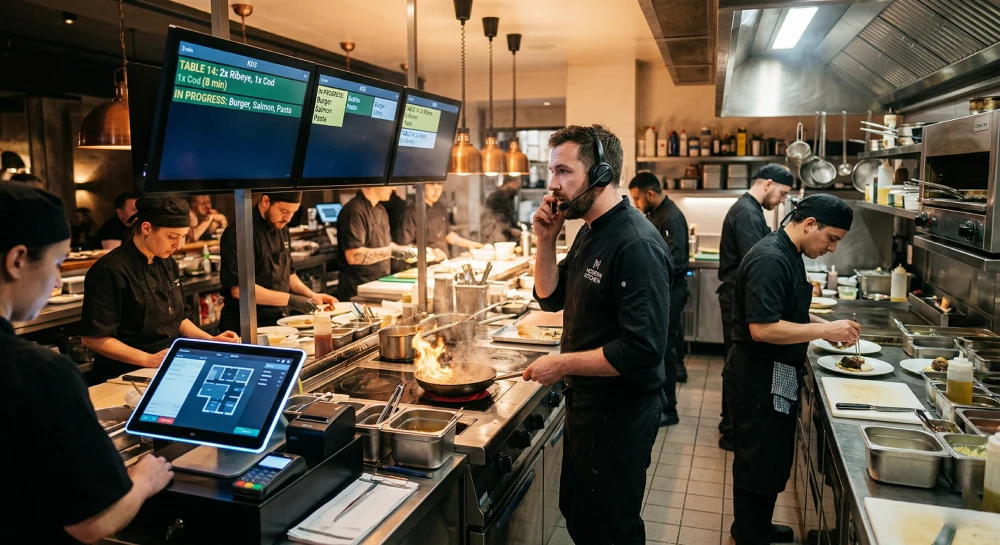
Voice ordering allows staff or customers to speak orders instead of typing them. Speech is captured and instantly converted into structured data inside the POS system.
This system uses speech recognition and natural language understanding, allowing it to interpret real conversations rather than just keywords. Compared to older systems, accuracy has improved significantly.
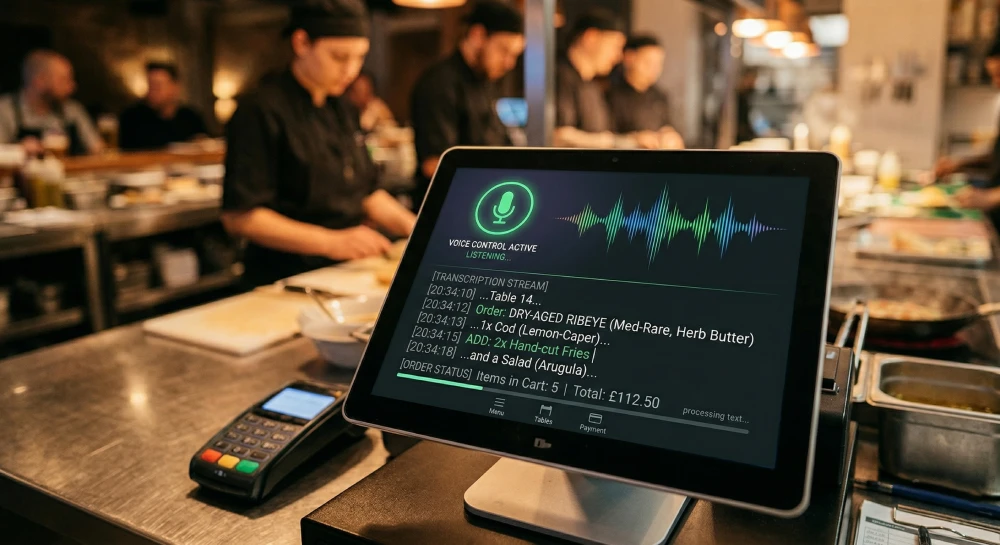
During rush hours, manual entry slows operations. Speaking orders speeds up the process, helping kitchens handle high volumes more efficiently.
Manual errors often happen due to rushed typing or unclear handwriting. Voice input captures orders exactly as spoken, reducing mistakes and improving accuracy.
Voice systems make POS tools easier to use for new or less tech-savvy staff. With fewer steps involved, onboarding becomes quicker and smoother.
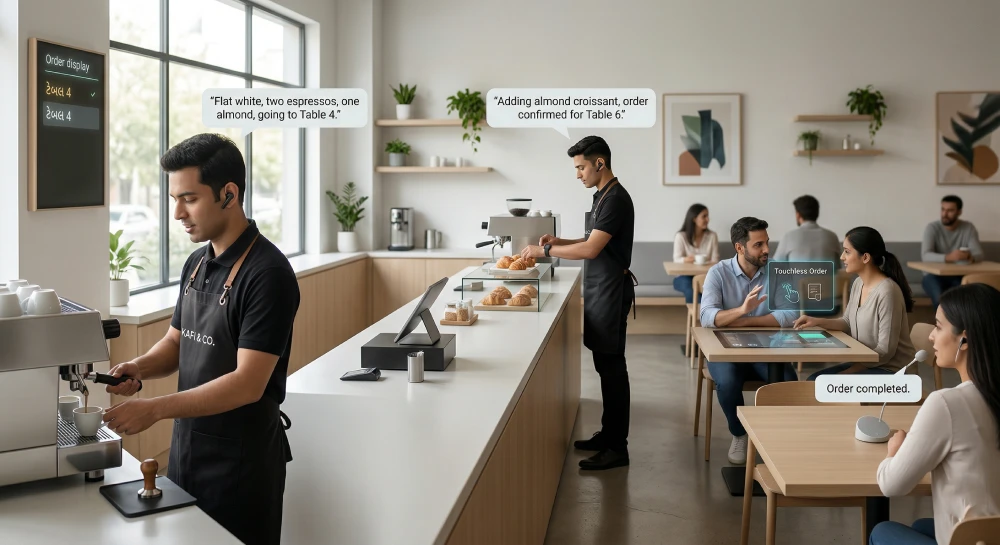
Some restaurants are already experimenting with customer-facing voice ordering. This reduces waiting time and makes the ordering process more natural and interactive.
Modern POS systems automatically update menus based on stock availability. Items can be removed or adjusted without manual intervention.
Flexible POS systems allow restaurants to manage orders, payments, and reporting in a way that suits their operations. Training time is reduced as workflows become intuitive.
Orders flow directly into kitchen display systems, reducing delays and improving coordination between front and back-of-house teams.
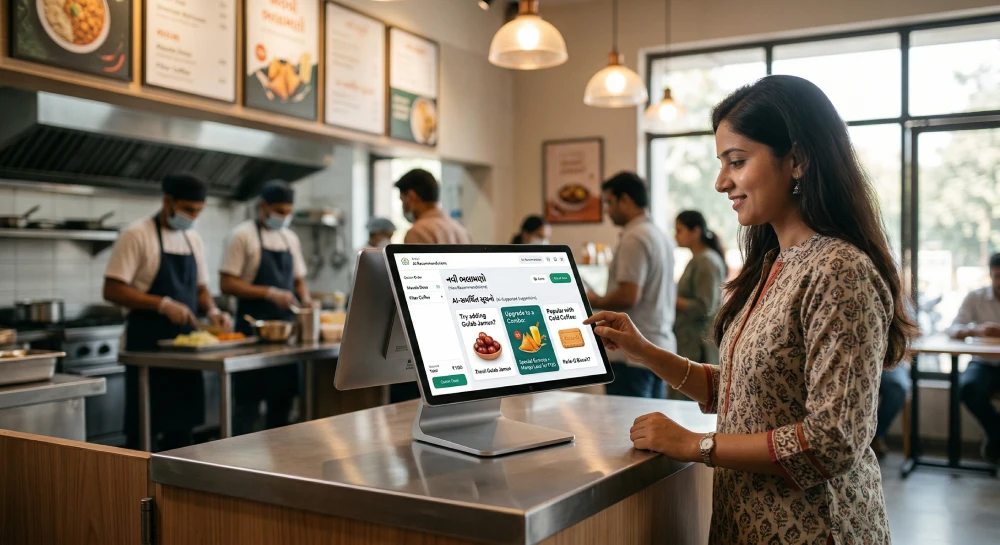
POS systems now suggest promotions or add-ons based on customer behavior. This helps increase order value while keeping suggestions relevant.
Complex systems often lead to frustration and high staff turnover. Simpler, voice-enabled POS tools help employees adapt quickly, reducing errors and improving confidence.
These challenges can be managed with the right POS provider and proper onboarding.
EatzPro focuses on simplifying restaurant operations through intuitive design and seamless updates. Instead of overwhelming users, it integrates improvements naturally into daily workflows.
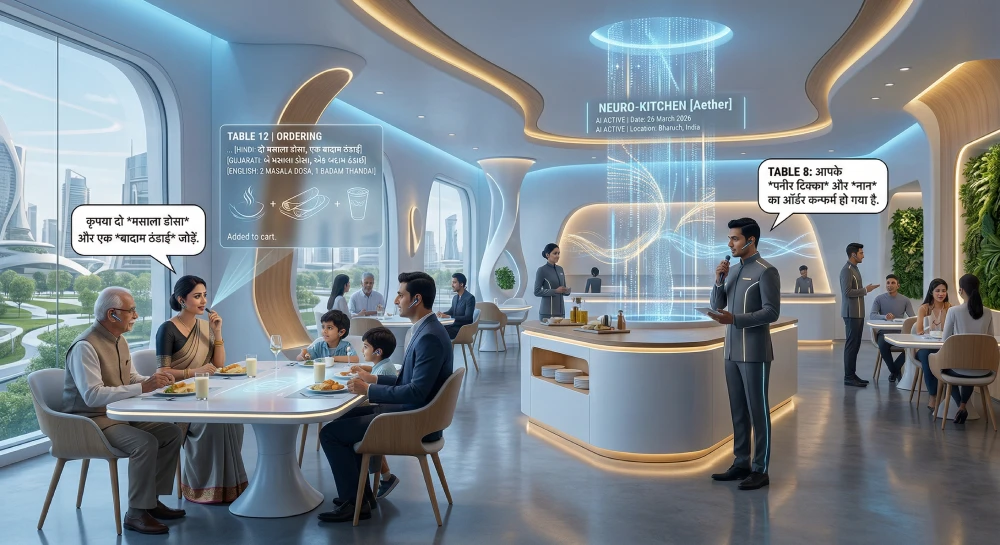
Restaurants are moving toward systems that prioritize speed, simplicity, and automation. Voice ordering is just one part of a broader shift toward smarter, more adaptive technology.
The next phase of POS innovation will focus on reducing friction even further. Voice-first systems, automation, and AI will continue to reshape how restaurants operate.
Voice ordering helps kitchens move faster and reduces errors by logging orders instantly. With fewer manual steps, staff can focus more on service and less on systems.
Solutions like EatzPro allow restaurants to adopt new technology without disrupting daily operations. Small changes today are shaping the future of dining experiences.
As more restaurants upgrade their systems, the ability to adapt quickly will determine long-term success.
Yes. Voice Ordering Integrates Seamlessly With Restaurant POS Software And Kitchen Display Systems (KDS). Orders Entered By Voice Are Instantly Displayed In The Kitchen, Reducing Preparation Delays And Improving Communication Between Front-of-house And Kitchen Staff.
View MoreYes. Voice-enabled POS Systems Capture Spoken Orders In Real Time And Send Them Directly To The Restaurant POS And Kitchen Display System (KDS). This Reduces Mistakes Caused By Rushed Typing, Handwritten Tickets, Or Miscommunication Between Staff And The Kitchen.
View MoreVoice Ordering Reduces Manual Typing, Speeds Up Order Entry, Minimizes Communication Errors, And Allows Staff To Focus More On Customer Service. It Is Especially Valuable During Busy Service Hours When Fast And Accurate Order Processing Is Essential.
View MoreModern Restaurant POS Systems Now Include:
Voice Ordering Is A Feature That Allows Restaurant Staff Or Customers To Place Food Orders Using Voice Commands Instead Of Manually Entering Them. The Restaurant POS Converts Spoken Orders Into Digital Tickets And Sends Them Directly To The Kitchen, Improving Speed And Accuracy.
View MoreVoice Ordering Is Ideal For Quick-service Restaurants (QSRs), Cafés, Coffee Shops, Pizza Restaurants, Fast-food Outlets, Ghost Kitchens, Food Trucks, Hotel Restaurants, And High-volume Restaurants Where Speed And Order Accuracy Are Critical.
View More