
If you run a restaurant, food cost percentage tells you how much of your sales revenue is spent on ingredients. Tracking restaurant food cost percentage with a POS system helps reduce waste, improve pricing and increase profit margins in real time.
Food cost percentage is one of the most important restaurant metrics because it directly affects profitability. It shows how efficiently your kitchen turns ingredients into revenue.
The formula is simple: divide your total ingredient costs by your food sales revenue, then multiply by 100.
Food Cost Percentage=(Cost of Ingredients/Food Revenue)×100
If your restaurant spends $4,000 on ingredients and generates $12,000 in food sales, then:
Your food cost percentage is 33.3%.
A high food cost percentage usually means:
A low percentage may indicate:
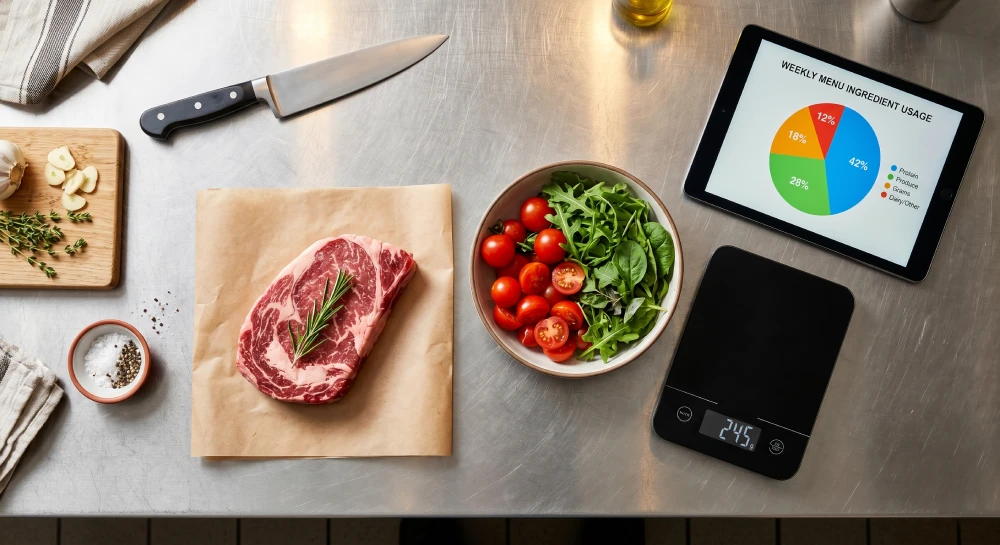
Food costs are one of the largest expenses in the restaurant industry. Even a small increase in food costs can significantly reduce profits. For example, a 5% increase in food waste can erase thousands in annual profit. Incorrect menu pricing can shrink margins without owners noticing, and poor inventory tracking creates hidden losses.
Tracking restaurant food cost percentage with POS analytics helps restaurants:
| Restaurant Type | Ideal Food Cost Percentage |
|---|---|
| Quick Service Restaurants (QSR) | 25% - 30% |
| Casual Dining Restaurants | 28% - 35% |
| Fine Dining Restaurants | 30% - 40% |
| Cafes & Coffee Shops | 20% - 28% |
| Pizza Restaurants | 25% - 32% |
| Food Trucks | 28% - 35% |
| Bars & Pubs | 18% - 25% |
Your ideal percentage depends on your restaurant concept, ingredient quality, labor costs, pricing strategy, and market location.
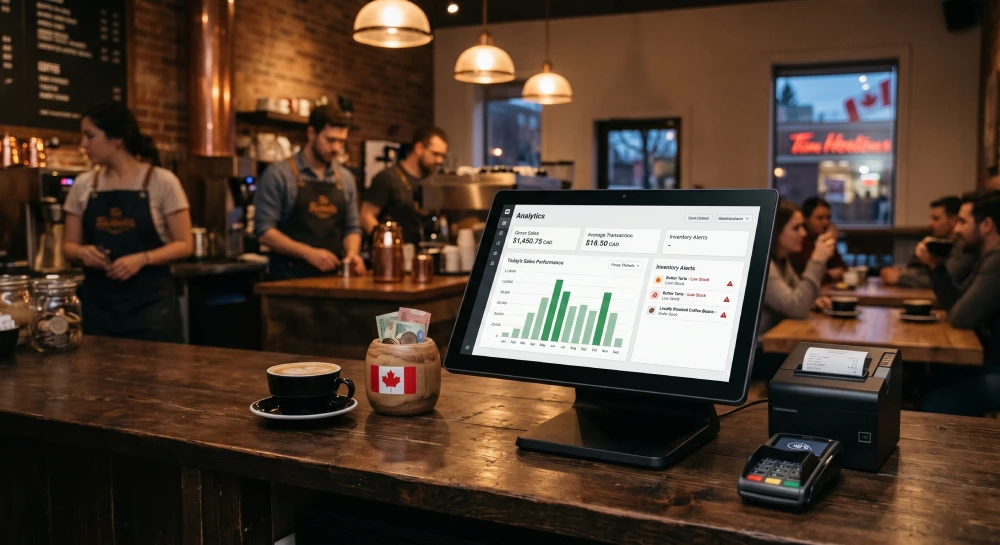
Many restaurants still calculate food costs manually using spreadsheets or handwritten inventory logs. This creates problems such as human calculation errors, missing inventory data, delayed reporting, inaccurate stock counts, and forgotten supplier price updates. There is no real-time visibility.
Manual systems also make it difficult to track ingredient-level costs, monitor recipe profitability, detect waste patterns, and compare daily sales with inventory usage. As restaurants grow, manual tracking becomes harder to manage consistently.
With modern restaurant POS software, food cost tracking becomes automatic. EatZpro POS analytics and reporting helps restaurants monitor ingredient costs, sales performance, and inventory movement from one simple dashboard.
Because sales and inventory data are connected, restaurant owners can instantly see which menu items generate profit, which ingredients cost the most, where food waste occurs, and daily and weekly food cost trends. This reduces manual work and improves decision-making speed.
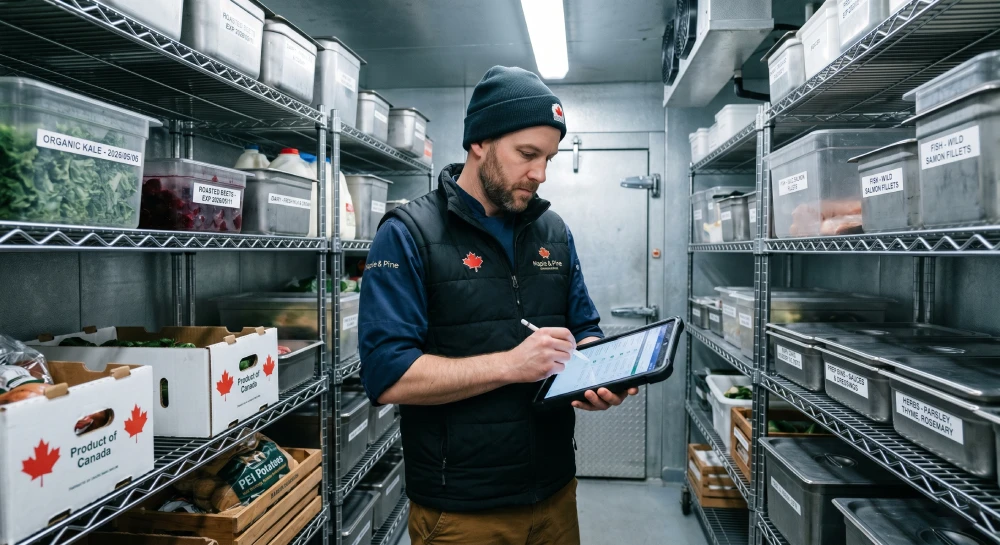
Enter all raw ingredients into your POS inventory system (e.g., Chicken breast, Rice, Cheese, Cooking oil, Sauces). Be sure to include purchase cost, unit size and supplier information.
Create recipes for each menu item. For example: Burger = bun + patty + cheese + lettuce + sauce. This allows the POS system to calculate exact ingredient usage automatically.
Connect menu pricing with recipe costing. The system can compare the cost per dish against the selling price to reveal your actual profit margin.
Every order processed through the POS deducts ingredients from inventory. This gives restaurants real-time stock levels, usage reports, and daily cost visibility.
Record expired ingredients, kitchen mistakes, returned dishes, and overproduction. This helps identify avoidable losses before they spiral out of control.
Restaurant owners should review food cost percentage, inventory variance, high-cost menu items, waste reports, and sales trends. Consistent monitoring improves long-term profitability.
A casual dining restaurant struggled with over-ordering inventory, inconsistent portion sizes, and rising ingredient costs. After switching to EatZpro POS analytics, recipe costing became automated, managers received low-stock alerts, inventory tracking improved, and waste reports identified high-loss ingredients.
Within three months, food waste dropped by 18%, inventory variance improved, profit margins increased and purchasing became more accurate. Using real-time POS data helped management make faster operational decisions.
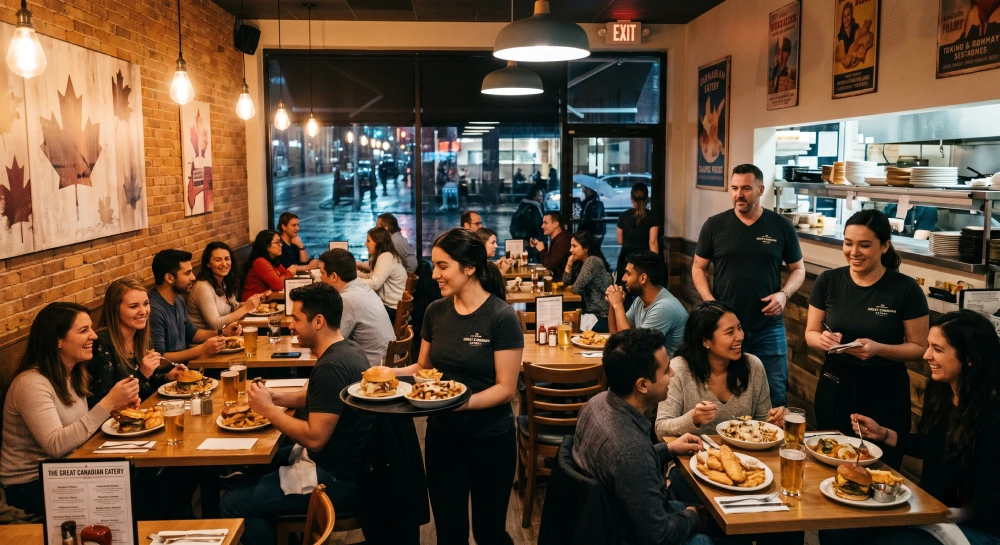
Restaurant POS analytics do more than process orders. They help restaurants predict inventory demand, analyze customer buying trends, reduce waste, optimize menu pricing, and improve kitchen efficiency.
Read more on our blog: How POS Data Analytics Improves Your Bottom Line to learn how data-driven insights improve restaurant performance.
Restaurants using real-time analytics gain stronger operational control and higher profit margins.
Use This Simple Formula:
Food Cost Percentage = (Total Food Cost ÷ Total Food Sales) × 100
For Example, If Ingredient Costs Are $4,000 And Food Sales Are $12,000, Your Food Cost Percentage Is 33.3%.
View MoreA Restaurant POS System Automatically Tracks Inventory Usage, Ingredient Costs, Menu Sales, And Recipe Data. It Calculates Food Cost Percentages In Real Time, Eliminating Manual Calculations And Improving Accuracy.
View MoreMost Restaurants Aim For A Food Cost Percentage Between 25% And 35%, Although The Ideal Range Varies Depending On Your Restaurant Type, Menu, Operating Costs, And Pricing Strategy.
View MoreRestaurant Food Cost Percentage Is The Percentage Of Your Food Sales Revenue Spent On Ingredients And Inventory. It Is One Of The Most Important Restaurant KPIs Because It Helps Measure Profitability, Control Costs, And Optimize Menu Pricing.
View More