
Keeping a restaurant going means handling lots of tasks all at the same time. While making sure meals taste right, owners also deal with how guests are treated. Staff shifts need sorting, just like tracking what’s in stock. Pricing gets adjusted because expenses keep changing. Time and tools are tight, yet everything still needs attention. Back then, gut feeling guided most choices people made.
Now machines that think are changing kitchens bit by bit. Smaller eateries once thought tech like this was out of reach. These days, even neighborhood spots tap into smart checkout tools. Clever software tucked inside payment screens offers useful hints. Choices get sharper when data points guide them.
By 2026, point-of-sale tech driven by artificial intelligence is shifting how eateries operate. Instead of guesswork, numbers flow into clear guidance - streamlining work, cutting down on excess, while service feels more tuned in. Though quiet behind the scenes, these changes shape every meal served.
This blog looks at artificial intelligence changing the way restaurants handle orders through their checkout tech, while showing exactly why that change feels so urgent right now.
Running your diner with robot staff isn’t what AI in a POS means. Instead think of clever programs spotting trends in numbers, then quietly suggesting better moves. Sometimes it notices when stock runs low, other times it hints at menu tweaks based on past orders. Not magic - just logic tuned sharp over time. Decisions feel quicker because the software learns how you work. Behind the screen, bits add up to smarter choices without flashy drama. Help shows up where needed, like predicting busy hours before they hit.
AI powered pos systems:
Folks used to drown in rows of numbers, but now clarity comes through smart summaries. What once felt like chaos today feels clear, thanks to smarter tools shaping data into sense.
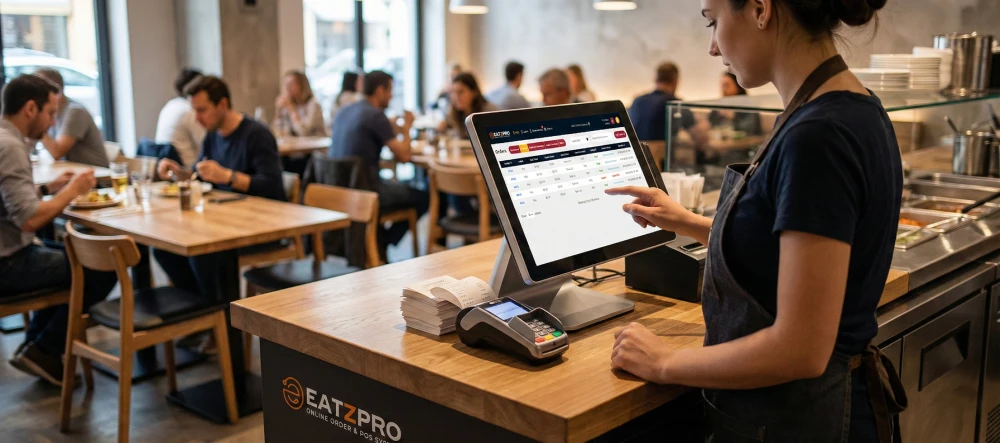
Some dishes fly off the menu while others linger, dragging down earnings. Spotting them takes more than a glance - most never catch what's hiding in plain sight.
AI analyzes pos data:
With this information, restaurants can:
Fewer guests walk through the door, yet profits climb because the menu works smarter. Revenue grows even when crowds stay small, thanks to sharper choices behind the scenes.
Fresh food piling up? That spoils fast when orders go wrong. Running short hits profits just as hard - guests leave empty-handed, mood soured.
AI-powered POS systems use historical sales data to predict future demand. This helps restaurants:
Ahead of time fixes beat scrambling later on. Restaurants sidestep shortfalls or excess by acting early - planning blocks mess before it shows up.
Folks today want things that feel made just for them. Because of artificial intelligence, checkout machines can now spot what people like to buy and how they order.
AI powered pos systems:
A shop might notice regular visitors through its checkout software, then offer special deals just for them. Because of this, people come back more often, staying loyal over time while spending less on ads.
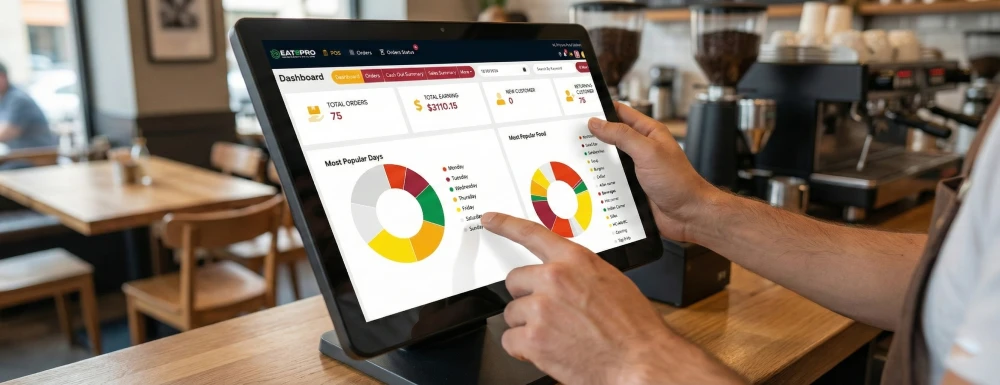
Paying workers takes up a big part of restaurant spending. Too many staff means extra cost; too few leads to poor customer experience.
Ai Driven Pos Systems Analyze:
Using this data, restaurants can:
Fewer delays show up when timing gets sharper, cutting expenses while boosting support quality.
Mistakes in orders might harm how people see a restaurant. Systems using artificial intelligence at checkout spots cut down slips by spotting wrong entries before they move forward.
Fewer mistakes happen during busy times when kitchen teams get better directions through smart ordering systems.
Facts from last week fill old-style summaries. Right this moment shapes smart checkout tools, along with guesses about tomorrow.
Real-time insights allow restaurant owners to:
Finding ways to keep track means managers can manage things smoothly, regardless of being off-site. Though away from the building, oversight remains steady through constant updates. Staying informed lets decisions happen fast, without needing to be on location. Even at a distance, operations feel within reach thanks to clear insights.
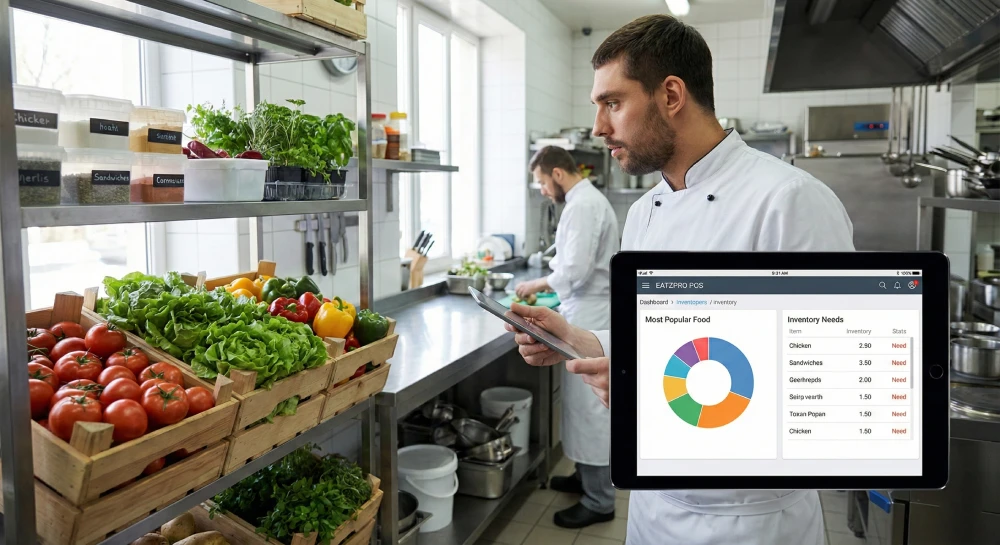
Big restaurant brands used to be the only ones making choices based on numbers. Now, smaller spots can tap into smart checkout tech that shows them what's working - just like the big names do.
Ai Enabled Pos Software For Independent Restaurants:
Small firms get a fairer chance when conditions balance out, making competition easier. A shift like this opens doors that were once harder to reach.
Many restaurant owners hesitate to adopt AI because of common misconceptions.
These days, point-of-sale setups aim for simplicity up front. What's going on underneath can get complicated fast.
Fewer extra costs now that smart tools come standard in checkout systems. What once needed added spending hides inside today’s tills. Hidden smarts arrive already switched on, part of the package from day one. Built right in, they skip the need for later upgrades. Tech advances slip quietly into place behind the counter.
Decisions gain support from AI. Experience or creativity? Those still belong to people.
EatzPro is built to help restaurants benefit from intelligent POS features without complexity.
EatzPro helps restaurants:
A fresh take on advice shows up here - simple ideas land better when they’re meant for real days behind the counter. Instead of charts and jargon, think clear moves anyone might try after reading once. Some tools skip the noise by design. Clarity sticks around longer than complexity ever does.
When more eateries open and profits shrink, clever tech becomes essential just to stay afloat. Smarter checkout setups using artificial intelligence offer:
By 2026, skipping AI won’t work anymore. Running a restaurant means running it with smart systems built in.
Out of nowhere, smart software is reshaping how diners handle orders and payments. Instead of just tracking sales, these upgraded systems learn patterns, then suggest smarter moves. Because they spot trends fast, eateries can cut waste while boosting what actually works. With time, routine tasks slow down less often. Decisions feel sharper when guided by real behavior, not guesses. Efficiency rises once machines start predicting needs before they come up.
Facing what comes next feels easier for eateries using smart checkout tools now. Tools such as EatzPro bring clever features into daily operations while keeping things straightforward and firmly in hand.
Yes. AI Analyzes Customer Purchasing Patterns And Menu Performance To Recommend Upselling Opportunities, Personalized Promotions, High-margin Menu Items, And Pricing Strategies. These Insights Help Restaurants Increase Average Order Value And Overall Revenue.
View MoreYes. AI Tracks Customer Preferences, Order History, Favorite Menu Items, And Visit Frequency To Deliver Personalized Recommendations, Targeted Promotions, And Loyalty Rewards. This Improves Customer Satisfaction And Encourages Repeat Visits.
View MoreAI-powered Restaurant POS Systems Predict Ingredient Demand Using Historical Sales Data, Monitor Inventory Levels In Real Time, Generate Low-stock Alerts, And Reduce Food Waste. This Helps Restaurants Optimize Purchasing And Lower Operating Costs.
View MoreAI Analyzes Peak Business Hours, Historical Sales Patterns, And Employee Performance To Create Optimized Staff Schedules. This Helps Restaurants Reduce Overtime Costs, Avoid Understaffing Or Overstaffing, And Improve Workforce Productivity.
View MoreAI Improves Restaurant Operations By Forecasting Demand, Optimizing Inventory, Analyzing Sales Trends, Automating Reporting, Recommending Menu Improvements, And Helping Managers Make Faster, Data-driven Decisions. This Reduces Manual Work And Increases Operational Efficiency.
View More

