
These days, running a place that serves food looks nothing like it did just half a decade back. Speed matters more now - people want their meals quick, pay how they choose, move through without hiccups. Yet those who run these spots wrestle with bills climbing higher, finding enough hands to help out, rivals popping up on every corner.
A single slip in setup might turn what should help into something that slows everything down. How smoothly it runs often depends on how well it fits the space around it.
These days, a restaurant cannot rely on simple cash registers alone. Running things smoothly often depends on having the right tech behind the scenes. Instead of just adding up bills, machines at counters now handle tasks from tracking inventory to speeding up service. Behind every quick order is usually software cutting down delays. Decisions get sharper when numbers show clear patterns over time. Owners start noticing trends they might have missed before.
A fresh look at today’s restaurant tech starts here - spotlighting only the POS tools that actually count. Each detail unfolds piece by piece, showing how smart choices shape daily results. Picking the correct system isn’t just routine - it shifts outcomes in clear ways. What fits your kitchen changes everything, slowly revealing better flow, sharper tracking, real gains.
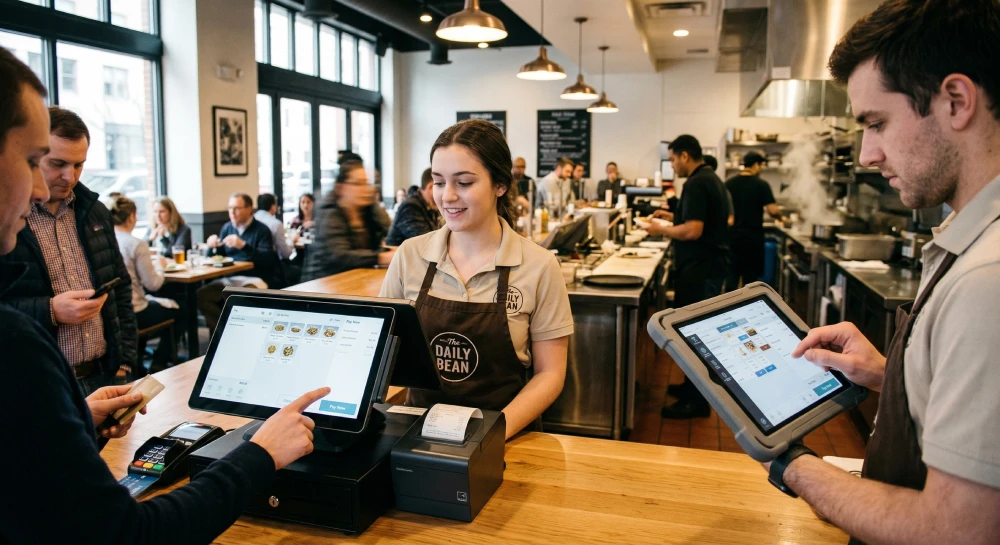
Waiting too long to order or pay feels slow. That annoyance shows right away in how customers see the place plus how fast seats open up after.
A Modern Pos System Must Provide:
Mistakes fade when bills move quickly, letting teams manage crowded hours smoothly. Rush times at midday or evening test pace - speed here keeps everything steady.
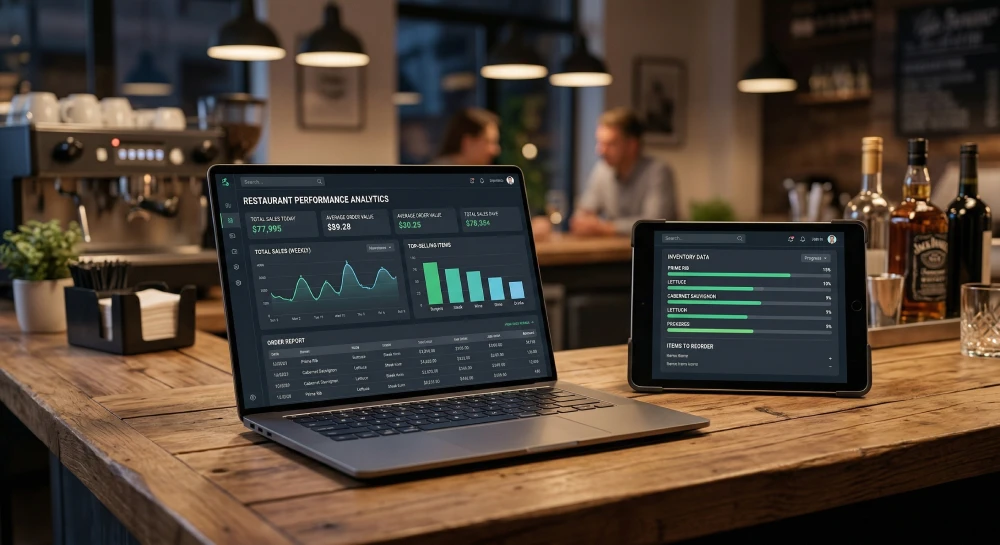
Fresh picks appear often on the menu. When prices shift or supplies run low, changes happen fast. Seasonal choices come and go without warning.
Fresh updates keep menus live without hassle. Owners tweak items fast when needs shift. Changes go through smooth, no tech headaches. Daily adjustments feel natural, almost like second nature.
When people reach the counter, things stay clear because what they see matches exactly what is available. That keeps choices up to date without any mix-ups showing up.
These days, skipping online orders just isn’t a real choice for most eateries.
A POS system should integrate directly with:
Integrated ordering ensures:
Failing to connect systems brings disorder into daily restaurant work. Missed income follows when processes stay split apart.
Mistakes in tracking stock result in spoilage, gaps on shelves, while money slips away instead of being saved through careful oversight.
A Modern Point Of Sale Includes These Features:
Fresh supplies stay steady when eateries track what comes in, cuts waste. Stock moves smoothly if orders match real usage instead of guesses.
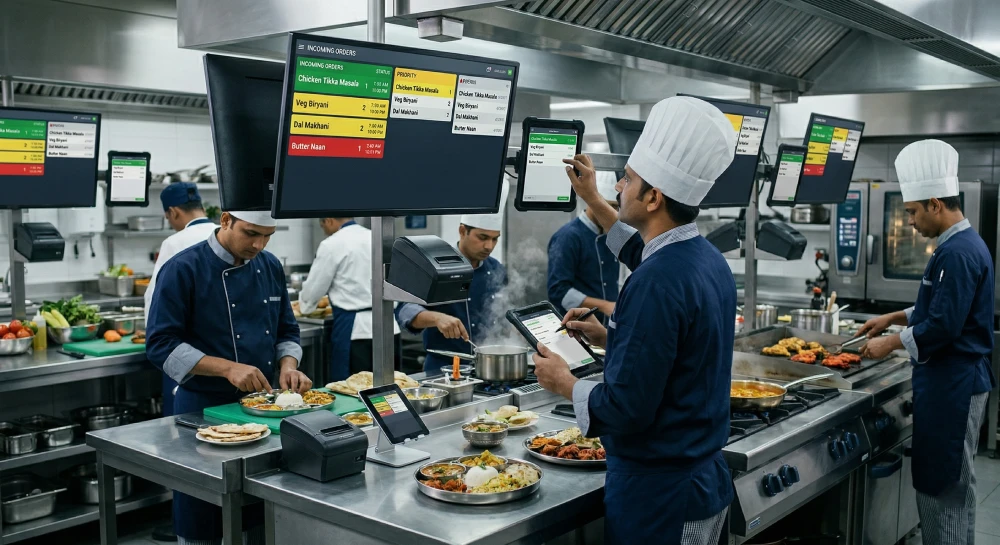
Clear communication between front-of-house and kitchen staff is critical.
POS systems linked to kitchen display screens:
Smaller delays pop up when things run without hiccups. Better results follow naturally from steady work.
Customers expect multiple payment choices.
A Modern Pos Must Support:
Folks feel better about paying when options are open, that checkout line moves quicker too. Payment freedom changes how people see the whole process.
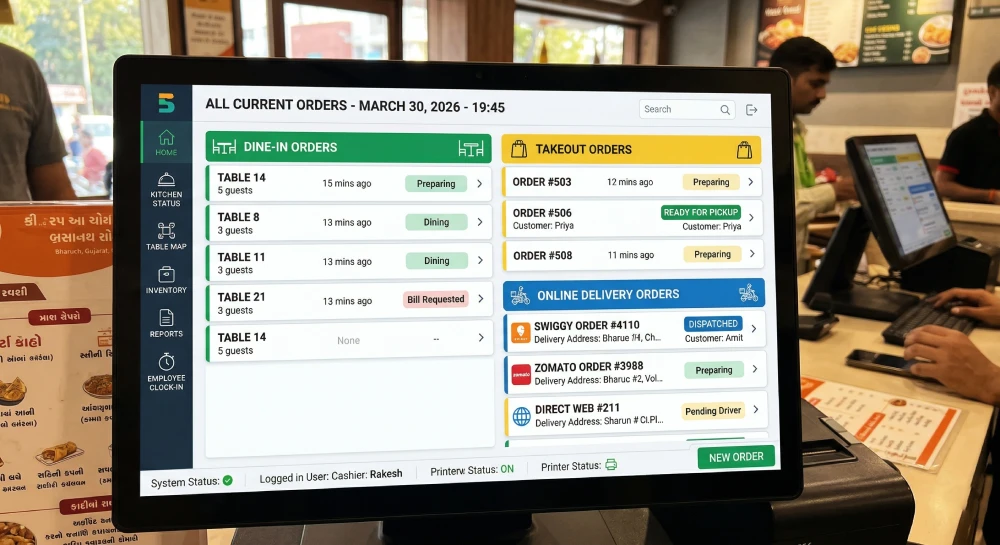
Real-time data shows up right away, making it a top POS trait.
Modern pos reporting includes key data on sales inventory staff performance customer behavior transaction history and operational trends:
Right now, insights let owners decide quickly - no waiting for nightly summaries to shape choices.
One worker might take orders while another handles cooking. A manager could oversee things behind the scenes. Some people clean tables after guests leave. Others stock supplies early in the morning. Each person does a separate task during busy hours.
A Pos System Should Allow:
One way they make a difference is by making it easier to track who did what. Mistakes happen less often when actions are visible to others.
Finding fresh buyers costs more than keeping those who already know you. One way saves when another spends.
Modern pos systems support features:
Folks who run eateries notice patterns in what diners do. That awareness shapes how meals feel, making them fit better with habits. When people see their choices reflected on the menu or during service, they tend to return more often.
Running a restaurant that wants to grow? Making sure it can handle more customers without breaking down matters most. Growth works only when systems keep up.
A must-have POS feature is centralized management that allows owners to:
With fewer steps involved, growing becomes easier while keeping the look and feel consistent across locations.
Today’s checkout tech often lives online instead of on local machines.
Cloud pos features:
Far from a fixed location, owners find ways to keep tied into operations through cloud links. Connection never breaks when using online storage that follows them anywhere they go.
When workers find a system hard, even the best tools fail. A machine that runs everything means nothing if people get stuck pressing buttons.
Modern pos systems focus on simplicity security speed:
Fewer hurdles at the start mean people settle in faster. Confidence grows when support feels natural.
EatzPro fits right into today's busy kitchens without extra steps. What matters most shows up front in how it works every day.
EatzPro helps restaurants:
A fresh start every time you log in - that’s what EatzPro offers, pulling together key functions without clutter. One place handles it all, so there is no jumping between separate apps.
A single diner might skip half the tools at first. Growing into a system means picking software ready to stretch when you do.
Look for a system that offers:
Over time, it holds steady worth while staying open to change.
A single tap does what cash drawers once struggled with. Behind every order, something quiet runs the show.
The Right Pos Features Help Restaurants:
Fresh tools arrive when places that serve food bring in something such as EatzPro. Every essential function fits right into daily work, smoothing out how things run now. Moving forward opens up easier, with room to expand tucked neatly inside each update.
A Restaurant POS Speeds Up Order Taking, Reduces Billing Errors, Supports Multiple Payment Methods, Integrates With Kitchen Operations, And Enables Faster Table Service. These Improvements Reduce Waiting Times And Enhance The Overall Dining Experience.
View MoreA Modern Restaurant POS System Should Include Fast Billing, Online Ordering Integration, Inventory Management, Kitchen Display System (KDS), Table Management, Customer Loyalty Programs, Contactless Payments, Real-time Reporting, Employee Management, Cloud Access, And Multi-location Support. These Features Help Restaurants Improve Efficiency And Customer Satisfaction.
View MoreWhen Selecting A Restaurant POS, Look For:
A Modern Restaurant POS Streamlines Daily Operations By Automating Order Management, Payment Processing, Inventory Tracking, Employee Management, And Reporting. It Reduces Manual Work, Minimizes Errors, And Helps Restaurants Deliver Faster And More Accurate Service.
View MoreCloud-based POS Systems Allow Restaurant Owners To Access Sales Reports, Inventory, Customer Data, And Business Performance From Anywhere. They Also Provide Automatic Software Updates, Secure Backups, And Easier Scalability For Growing Restaurant Businesses.
View More