
Each year, running a diner feels heavier even when effort increases. Higher prices for groceries, wages, people opening nearby - errors become costly fast. Outcomes tilt toward those who base moves on data instead of hunches.
Most eateries collect huge piles of information daily. Numbers from sales, when orders come in, which dishes sell best, how people pay - POS systems track it all. What trips up owners isn’t missing facts. It’s making sense of what they already have.
When 2026 arrives, eateries leaning on POS data tend to pull ahead of others ignoring it. Instead of just figures, patterns emerge - these guide smarter choices. Profit grows because decisions follow clear signals. Waste drops when trends highlight what is actually needed. Spending stays tighter since visibility improves across operations.
This blog walks through ways POS data helps restaurants earn more, showing how today’s reporting tools have become essential just to stay on track. Though once seen as extra, these systems now shape daily decisions behind the scenes.

From a cash register's output, patterns start to show. What happens there turns into numbers later studied closely. One thing leads to another when those figures get sorted through. Information flows where transactions occur most often. Behind every sale lies details waiting to be seen clearly.
This includes:
Reports pop up fast when today's checkout tech gets hold of raw numbers. Dashboards show what matters without needing a manual. Clarity comes through once the system sorts everything out behind the scenes.
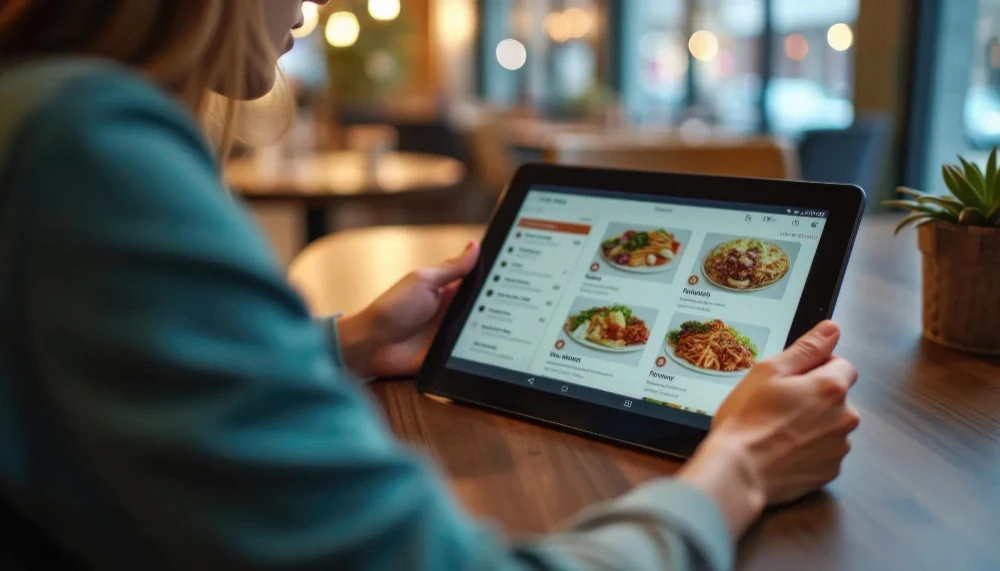
Few dishes pull their weight when it comes to earnings.
POS analytics helps restaurants:
With this information, owners can:
A single change like this might boost profits even if footfall stays flat.
Fresh choices often come from studying what people eat. Numbers reveal patterns behind popular dishes.
By understanding:
Restaurants can:
Starting strong, a thoughtfully arranged menu lifts how much people spend while making ordering feel smoother. Ending here.

Fresh meals tossed out mean money vanishes fast. Profits shrink when plates get scraped into bins instead of staying sold.
POS analytics allows restaurants to:
With data-backed insights, restaurants can:
Fewer leftovers cut expenses while boosting profit space.
Folks working in restaurants cost a big chunk of money. While wages pile up fast, staffing stays heavy across shifts.
POS data analytics helps by showing:
Using this information, owners can:
Folks working smarter means happier customers without spending more. What happens next? Smoother shifts keep things running right.
Customer behavior data is extremely valuable.
POS analytics can reveal:
This lets eateries do things like:
People who come back often tend to buy more. Their loyalty means lower effort to keep them around.
POS data analytics helps restaurants:
This improves:
Fewer billing hiccups show up when payment flows stay visible. Hidden costs tend to vanish under close review.
Last night’s numbers tell a finished story. Right now, live checkout data reveals the moment unfolding.
Real-time dashboards allow owners to:
Sudden choices often land closer to success. Speed reshapes how results unfold.
A single insight might shift how each branch performs when you run several spots. What happens at one place can quietly affect another behind the scenes.
Owners can:
Smarter growth comes through steady control of how the brand shows up. Consistency keeps the direction clear without forcing it.
Most eateries gather numbers without doing anything next. What counts falls flat when info just sits unused. Action matters more than saving stats. Silent spreadsheets change nothing. Real shift starts after the collection ends. Data left alone does no work. Movement follows meaning, never measurement by itself.
Effective pos analytics:
What matters isn’t stacking up reports - it’s making choices that hit the mark.
Not every owner uses data - some stick strictly to what they’ve seen before, leaving useful details unnoticed.
A flood of reports might leave people unsure what to do. Sometimes too much information just leads nowhere.
Few older cash registers offer useful insights into data patterns.
Fresh insights start here - EatzPro brings clarity to how restaurants track sales. Each detail unfolds simply, without clutter. Instead of complex tools, it offers clear views into daily transactions. Numbers turn into useful patterns, quietly guiding decisions. From opening bell to closing numbers, understanding flows naturally.
EatzPro helps restaurants:
What matters most? Clear steps forward. Owners see where changes make a difference. Results shape choices each day. Over time, small shifts add up. Profit grows when decisions do too.
When restaurants face tough competition, choices based on real numbers often lead to better results than guesses. What works isn’t always obvious - those who watch trends closely tend to stay ahead. Instead of following habits, some rely on what the figures actually show. Outcomes shift when owners pay attention to patterns hidden in daily operations. Success shows up most where gut feelings take a back seat.
Restaurants Using Pos Analytics:
Facts speak louder now than ever before. Must-have, not nice-to-have.
Every time someone buys a meal, useful insights start to form. Because patterns show up in when people order and what they choose, managers begin seeing where changes help profits grow. Numbers from cash registers reveal more than just totals - they highlight rhythms in how kitchens run and guests respond. When shifts in demand become clear, choices about staffing or menus feel less like guesses. Profits shift not by luck but because real habits guide adjustments behind the scenes.
Out front, a system such as EatzPro turns numbers into moves. Those who skip it might lag behind - places using insights now tend to last longer down the road.
POS Analytics Helps Increase Profits By Identifying Top-selling Menu Items, Reducing Food Waste, Optimizing Labor Costs, Improving Inventory Management, And Revealing Customer Buying Patterns. These Data-driven Insights Help Restaurants Make Smarter Business Decisions.
View MorePOS Analytics Identifies Your Best-selling And Most Profitable Menu Items While Highlighting Dishes With Low Sales Or Poor Profit Margins. Restaurant Owners Can Use These Insights To Adjust Pricing, Promote High-margin Items, Or Redesign Their Menu For Higher Profitability.
View MoreRestaurant POS Data Analytics Is The Process Of Collecting And Analyzing Sales, Customer, Inventory, And Operational Data From Your POS System. These Insights Help Restaurant Owners Make Informed Decisions That Improve Profitability, Efficiency, And Customer Satisfaction.
View MoreA Modern POS System Collects Data On Sales, Menu Performance, Customer Purchase History, Peak Business Hours, Employee Performance, Inventory Usage, Payment Methods, Discounts, And Revenue Trends. This Information Helps Restaurants Optimize Daily Operations.
View More