
Nowhere is tech’s impact clearer than in how eateries run day to day. Old-school point-of-sale setups once ruled without question. Lately though, internet-connected systems have been pulling ahead for today's dining spots.
Some folks running eateries pause to wonder - is going digital with a POS worth it, or does the old-school setup still hold up?
Depending on what you aim to achieve, how your operations run, or where you see expansion happening - this post breaks things down plainly. Restaurant owners can weigh their options better when details are laid out without confusion.
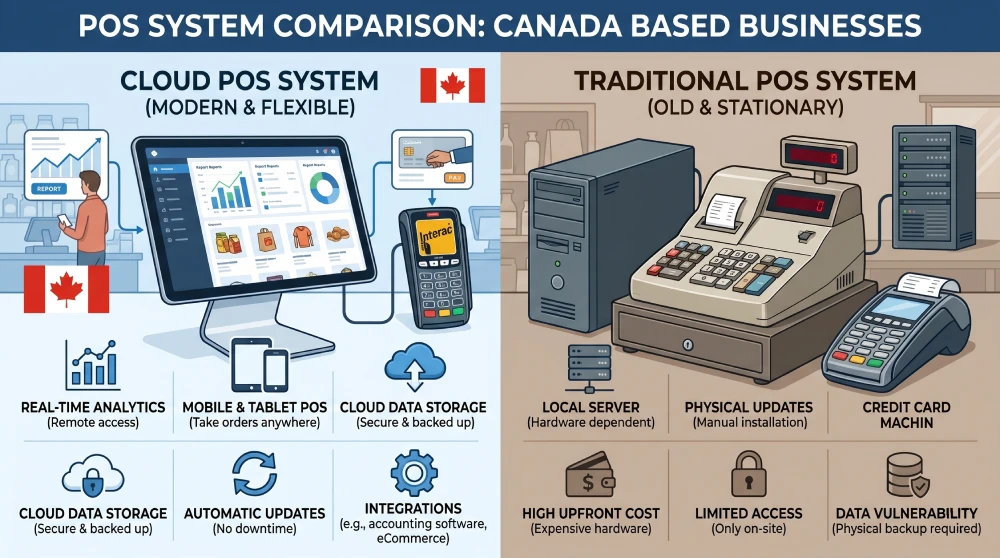
A single machine, often tucked behind a counter, runs the whole checkout process inside the diner. Sometimes it's wired straight into kitchen printers, linking orders without extra steps. One unit handles payments while another tracks inventory below deck.
Key characteristics include:
Back when the internet wasn’t common, old-school cash registers got built without it in mind.
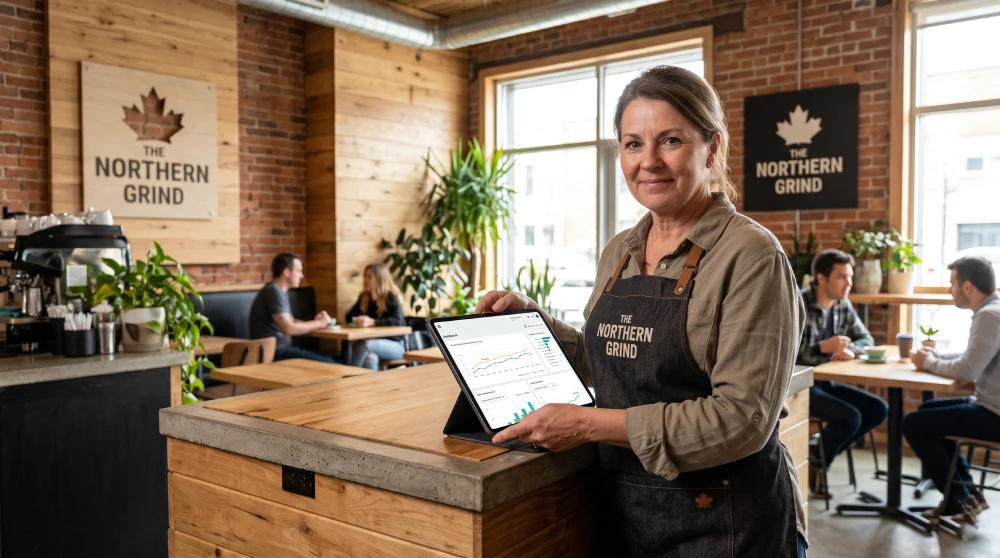
A cloud-based POS keeps information safe on distant machines, reachable only via web connection. Remote storage means updates happen without local setup, working straight from browsers. Access comes through online links instead of physical boxes, cutting down hardware needs. Security stays strong because files live offsite, protected by constant monitoring. Internet reliance ensures teams pull details from anywhere, skipping traditional limits.
Key features include:
Running on internet-based platforms, these tools adapt easily to changing needs. Their design grows smoothly alongside business demands. Built around how today's restaurants operate, they fit real daily routines.
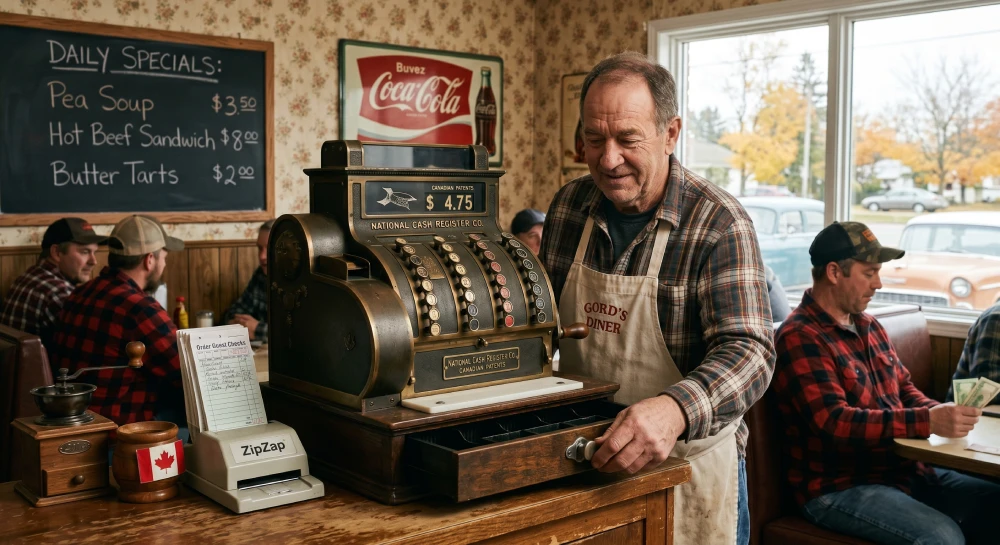
Most older checkout setups need someone right there to use them. Information often stays locked inside the store. Accessing summaries means being physically nearby. Remote viewing is rarely an option with these machines.
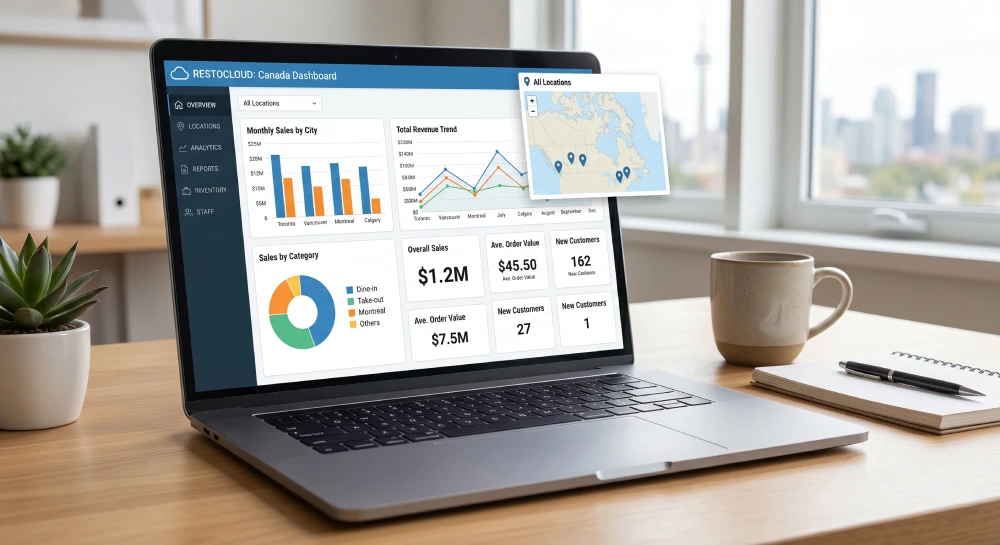
Cloud Based Pos Systems Let Owners Manage Stores Online:
Running several spots at once? Or always on the move? Then being able to reach things through the cloud makes life much easier. Cloud access helps when you are far from your main base.
Old cash registers usually need:
Cloud based pos systems usually include:
Fewer interruptions mean new users get going faster.
Frequently, updating old-school cash registers means doing things by hand. Sometimes help from a tech expert is needed just to get it done right.
Cloud-based POS systems:
Fresh fixes roll in without asking, keeping defenses sharp plus current.
Traditional pos systems typically include:
Cloud based pos systems usually include:
Folks who run restaurants find it simpler to plan their money.
Scaling a traditional POS system often requires:
Cloud based pos systems:
Restaurants that are expanding need room to grow. What matters most? The ability to handle more without breaking down kicks in right there.
Sometimes a machine stores data close by, yet breaks down without warning. That one glitch might erase everything saved there.
Cloud based pos systems:
Fewer problems happen when information stays safe by cutting down how much vanishes.
Sometimes old-school checkout reports come late. They miss details too.
Cloud based pos systems:
Fresh insights shape smarter choices. A clear view guides solid steps forward.
A business that relies on steady offline operations might find old-school setups work just fine. Cloud solutions bring flexibility, yet some teams stick with familiar hardware when internet access feels unreliable.
Examples include:
Still, folks see fewer of these situations lately.
Bursting into action every minute, the restaurant world never slows down. Rivalry heats up corners on every block.
Cloud Based Pos Systems:
Modern eateries find these benefits fit just right.
EatzPro runs on the cloud, built like today’s tech should be. A point-of-sale system that moves with how businesses operate now.
Restaurants use eatzpro:
What keeps kitchens running meets what managers now expect. EatzPro fits both without slowing things down.
When deciding between cloud-based and traditional POS systems, consider:
These days, many eateries find web-hosted checkout tools save more over time. Cloud-run registers often cost less down the road.
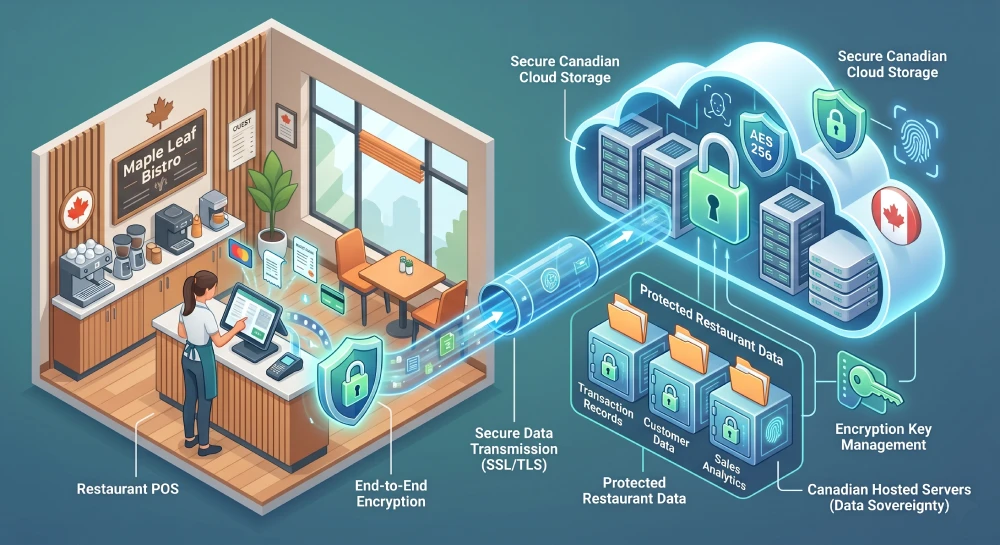
The Future Of Pos Technology Includes:
Floating on remote servers, these systems adapt more easily to new tech shifts.
A shift is happening in how restaurants handle transactions, though some still stick with older methods. Cloud setups are gaining ground, slowly replacing what was once standard.
Starting fresh each day helps some eateries adapt quickly when demand shifts. Running on remote servers means updates happen behind the scenes without stopping service. Growth feels smoother because adding new features does not require rewiring everything. Seeing sales data right away lets owners adjust before trends fade. When expansion looms, the system grows along without extra hardware headaches. Many find this setup just fits better as menus evolve and locations multiply.
Running on the cloud, EatzPro's system fits how today's restaurants actually work. Designed only for food service spots that change fast, it keeps up without extra steps.
Generally, Yes. Cloud-based POS Systems Usually Operate On A Subscription Model With Lower Upfront Hardware Costs, While Traditional POS Systems Often Require A Larger Initial Investment For Servers, Software Licenses, And Maintenance.
View MoreA Cloud-based POS System Offers Real-time Sales Tracking, Automatic Data Backups, Remote Management, Lower Upfront Costs, Multi-location Support, Seamless Software Updates, And Integration With Online Ordering, Loyalty Programs, And Inventory Management Tools.
View MoreA Cloud-based POS Stores Business Data Securely In The Cloud And Allows Restaurant Owners To Access Sales, Inventory, And Reports From Any Internet-connected Device. A Traditional POS Stores Data On Local Servers And Typically Requires On-site Access For Management.
View MoreFor Most Modern Restaurants, A Cloud-based POS Is The Better Choice Because It Offers Remote Access, Automatic Software Updates, Real-time Reporting, Online Ordering Integration, And Easy Scalability. Traditional POS Systems May Still Suit Restaurants With Limited Internet Connectivity Or Simple Operational Needs.
View More