
Most restaurant owners think twice before buying tech. Each dollar spent must earn more in response. Here’s the shift: Eatzpro, as a current cloud-based POS, acts less like an expense and more like profit fuel. Through sharper ordering precision, smoother staff workflows, tighter stock oversight, and stronger guest follow-through, the right setup pays its fee - often beating costs by month three. Returns show up fast when systems work right.
Most restaurant owners look at how much a new POS costs. Yet they rarely think about what their old setup - or none at all - actually drains from profits. Gains show up in two ways. One trims expenses. The other lifts sales.
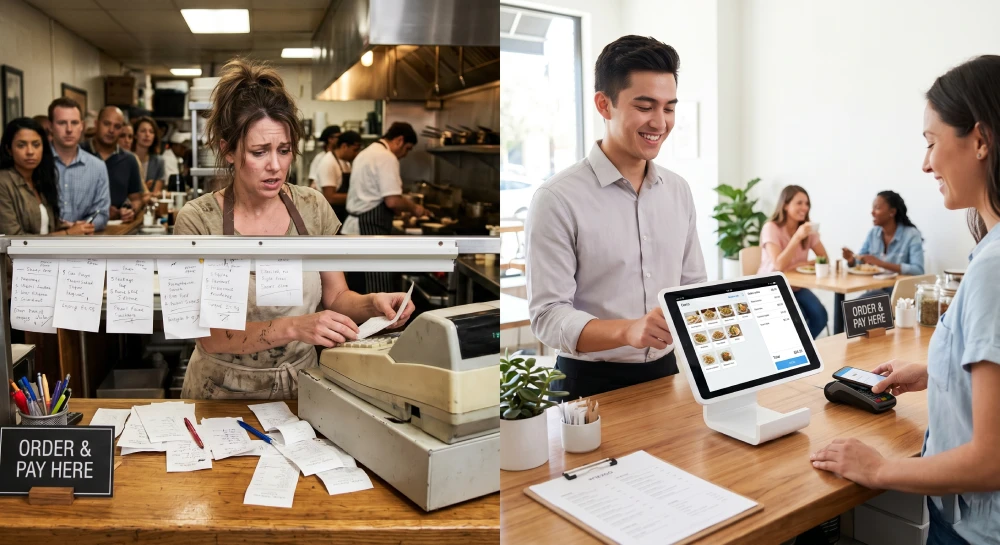
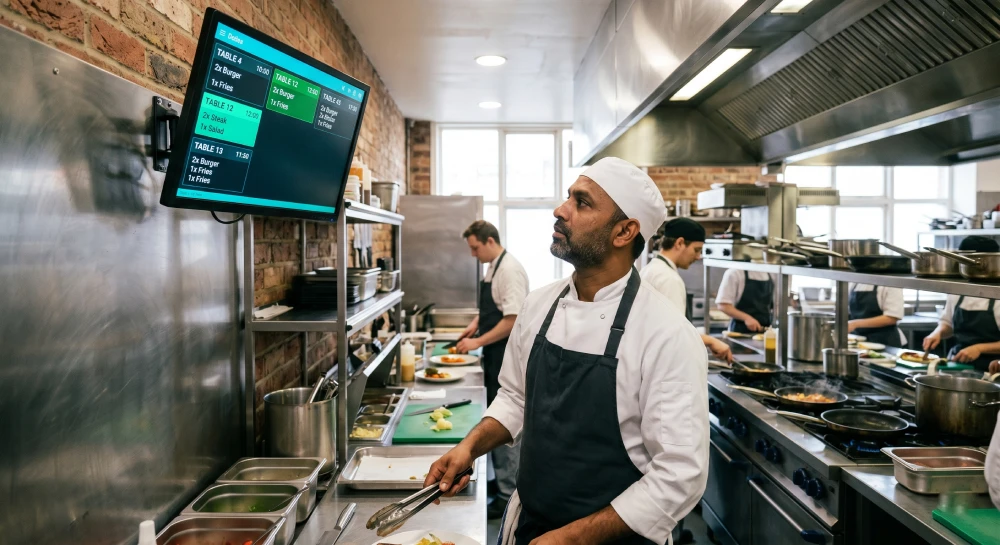
A typical weekday sees around twenty guests more than a quiet one at this Canadian spot serving relaxed meals. About four dozen people fill the space most evenings, spending close to fifty bucks each on food and drinks. Six days every seven, doors stay open, trays keep moving, orders stack up behind the counter. Multiply those numbers across months, you land near thirteen hundred thousand dollars yearly. Not fancy, just steady work feeding locals who know the menu by heart.
| ROI Category | Estimated Annual Impact |
|---|---|
| Reduced order errors (80% fewer) | $18,000 – $24,000 kept aside |
| Food waste reduction (15% improvement) | $12,000 – $18,000 set aside |
| Labour optimisation (smarter scheduling) | $15,000 – $22,000 set aside |
| AI upsell revenue (10% avg. check increase) | $65,000 – $90,000 in added income |
| Loyalty programme repeat visits (10% lift) | $30,000 – $45,000 more income |
| Faster turnover (Seating changes quicker, serving more guests) | $28,000 – $40,000 additional revenue |
| Total Expected Annual Gain | $168,000 – $239,000 |
Most times, a setup such as Eatzpro runs way cheaper each year than traditional options. Put it another way, gains usually beat out expenses by a wide margin - sometimes right after three months live.
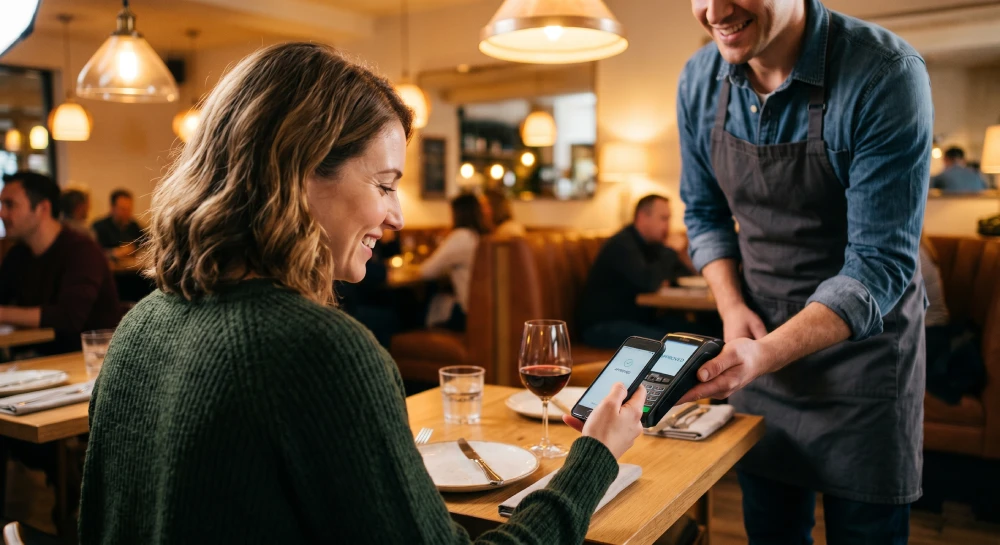
| Operational Area | Manual System Compared With Eatzpro Point of Sale |
|---|---|
| Order taking | Handwritten slips often bring mistakes. Yet a digital point-of-sale tied to the kitchen display cuts those almost completely. |
| Inventory tracking | Every week, someone checks inventory by hand - already stale data shows up fast. Stock levels update instantly now when items move. |
| Food cost visibility | Each month, take a close look at the spreadsheet. A live view shows food costs as percentages right away. |
| Loyalty programme | Slippery little paper tickets? They vanish without a trace. Meanwhile, digital routines live inside the register, quietly logging every step. |
| Staff scheduling | Some days too many workers show up. Others, not enough people are around. Schedules made by hand struggle to keep pace. Sales numbers from past shifts help decide who should work when. |
| Upselling | Server ability changes things. Each request brings AI tips nearby, creating consistent upselling. |
| Payment speed | Counting bills by hand, machines for cards. Tap once without touching, pay right where you sit. |
| Reporting | Every night, staff count cash by hand. At the same time, data flows instantly across stores into shared reports. |
One day, the money saved plus extra income from a new POS system beats its price tag. That turning point shifts depending on how big the place is. In many medium-sized casual dining restaurants across Canada, the break-even point typically lands between 3 to 6 months.
A few months might pass before tiny diners start covering costs. Food carts could see returns in under half a year. Some mobile kitchens may balance expenses by month four. Corner spots with coffee often reach zero loss around the two-month mark.
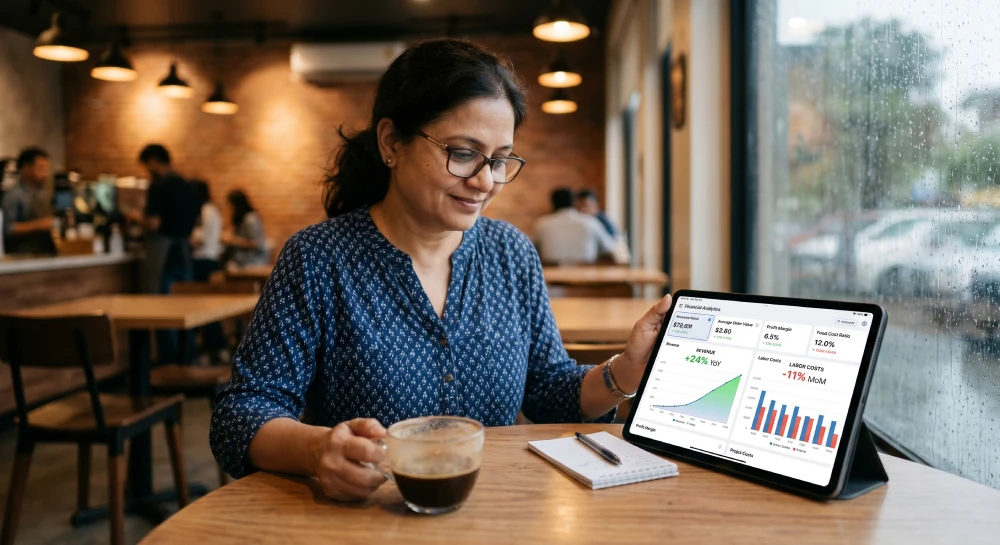
One thing some restaurant owners do: they see a POS like a souped-up cash drawer. Built sideways from that idea, Eatzpro runs as a full control hub. Loyalty tracking kicks in alongside smart suggestion tech. Stock checks tie into shift planning without extra steps. Insights pop up live while tap-to-pay moves smoothly behind the scenes. Everything links through one screen you never leave.
Here’s how gains grow. Your loyalty program shapes push alerts, so customers return more often. Those visits show up in reports, guiding what goes on the menu. Smarter menus mean less wasted ingredients. That kind of system once felt out of reach for small spots. Now it's within reach, no matter the kitchen size, anywhere in Canada.
Curious what makes it work so well? Head over to our features page to see every detail laid out. The full picture lives there.
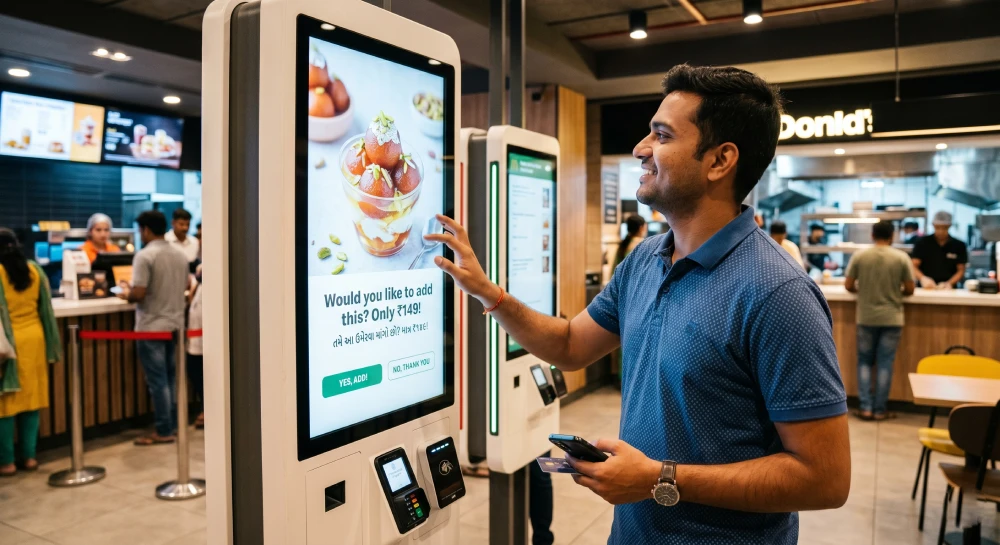
Some eateries notice clear changes right away - order precision, faster checkouts, better tracking of ingredient expenses stand out early on. After two or three months of steady use, benefits like repeat customer rewards and smart suggestion tools start showing real value.
Get a look at Eatzpro POS in action - no cost, just real use. See how it works before making any move.
Yes. A Modern POS System Can Increase Profits By Improving Table Turnover, Enabling Upselling Opportunities, Reducing Order Mistakes, Optimizing Inventory Usage, And Providing Data-driven Insights That Help Restaurant Owners Make Smarter Business Decisions.
View MoreYes. A POS System Tracks Ingredient Usage In Real Time, Monitors Inventory Levels, Identifies Slow-moving Items, And Provides Low-stock Alerts. These Features Help Restaurants Reduce Over-ordering And Minimize Food Waste.
View MoreOrders Entered Directly Into The POS Are Automatically Sent To The Kitchen, Eliminating Handwriting Issues And Manual Communication Errors. This Improves Order Accuracy And Reduces Costly Remakes And Customer Complaints.
View MoreA POS System Saves Money By Automating Billing, Inventory Tracking, Sales Reporting, Employee Management, And Order Processing. This Reduces Labor Costs, Minimizes Human Errors, Lowers Food Waste, And Improves Daily Operational Efficiency.
View MorePOS Reporting Provides Real-time Insights Into Sales Trends, Best-selling Menu Items, Peak Business Hours, Labor Costs, And Customer Behavior. Restaurant Owners Can Use This Data To Optimize Pricing, Staffing, And Menu Offerings.
View MoreA Restaurant POS System Delivers ROI By Reducing Operational Costs, Improving Order Accuracy, Increasing Staff Efficiency, Minimizing Food Waste, And Boosting Overall Sales. Many Restaurants Recover Their POS Investment Through Higher Profitability And Better Operational Control.
View More