
The restaurant industry has undergone a significant digital transformation over the past few years. One of the most noticeable changes is the shift from printed menus to QR code ordering. What started as a contactless solution during the pandemic has now become a permanent feature in many restaurants, cafés, food courts, and quick-service restaurants.
Do customers actually prefer QR code menus over traditional printed menus?
The answer isn't as simple as choosing one over the other. Customer preferences depend on convenience, dining experience, speed, accessibility, and restaurant type. Understanding the strengths and limitations of both options can help restaurant owners make informed decisions that improve customer satisfaction and increase revenue.
In this guide, we'll compare QR code ordering and traditional menus, examine customer preferences, and explain how restaurants can use modern technology to deliver a better dining experience.
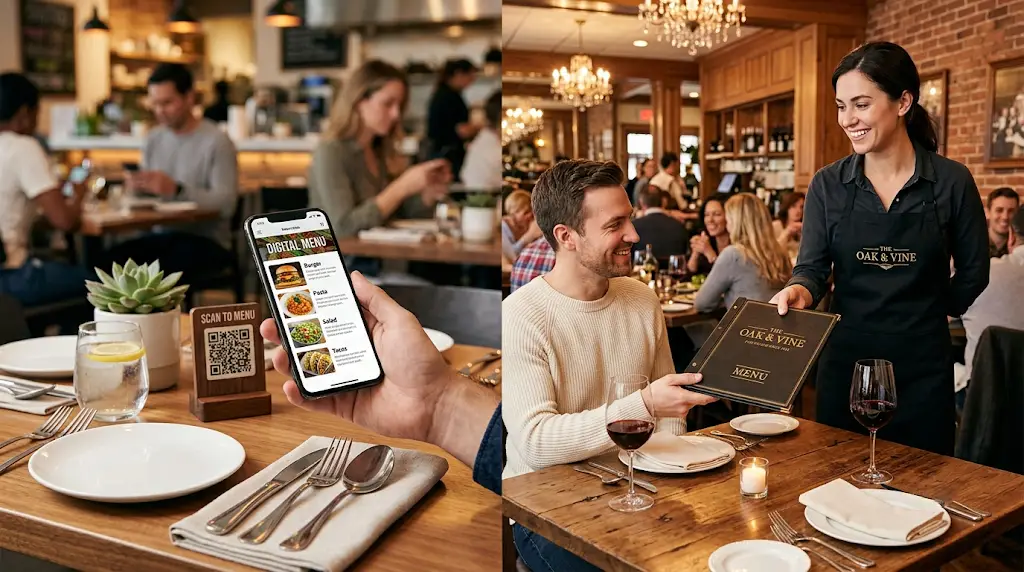
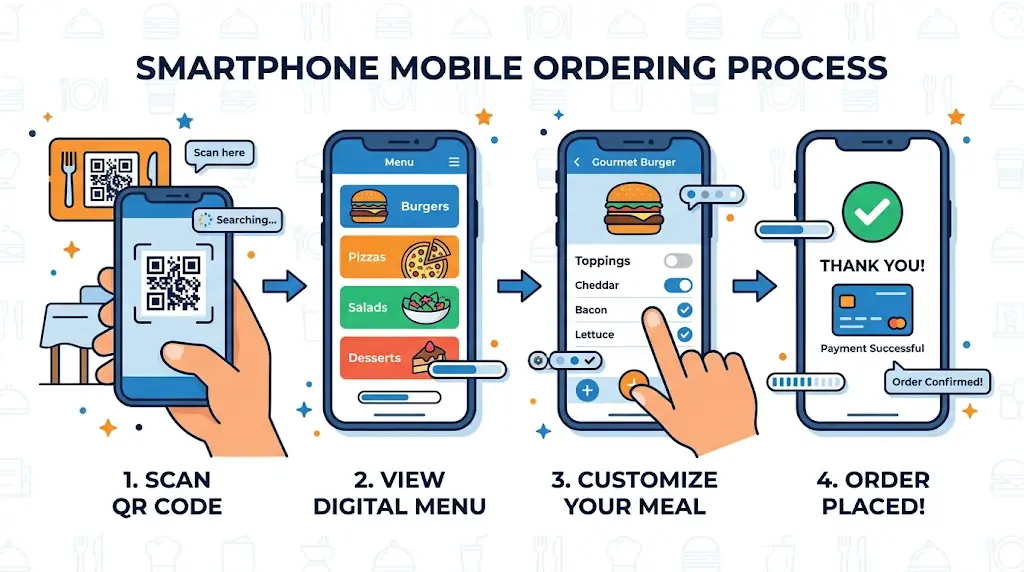
QR code ordering allows customers to scan a QR code using their smartphone camera. Instead of receiving a printed menu, they instantly access a digital menu where they can:
Many modern restaurant management platforms, including EatzPro, integrate QR code ordering with POS systems, kitchen displays, and payment gateways to create a seamless ordering experience.
A traditional menu is the familiar printed menu handed to customers after they are seated. Customers review available dishes, ask questions if needed, and place their orders through a server.
Printed menus have been a cornerstone of the restaurant industry for decades because they are easy to use and require no technology.
Despite advances in digital ordering, many restaurants continue to rely on printed menus because they provide a familiar and comfortable dining experience for many guests.
Digital ordering is no longer just a trend—it has become a customer expectation in many restaurants.
Several factors are driving this shift:
Restaurants also benefit from streamlined operations and reduced staff workload, making QR ordering an attractive long-term investment.
Customers no longer have to wait for a server to bring menus or take their orders.
They simply scan the QR code and begin browsing immediately.
This reduces waiting time and improves table turnover, especially during busy hours.
Printed menus become outdated whenever prices change or new dishes are introduced.
With QR code menus, restaurant owners can instantly update:
Customers always see the latest menu without requiring reprints.
Restaurants often spend hundreds or even thousands of dollars every year printing new menus.
Digital menus eliminate recurring printing expenses while also supporting environmentally friendly business practices by reducing paper waste.
When customers place their own orders digitally, the chances of communication errors decrease significantly.
Customers can:
This minimizes incorrect orders and improves customer satisfaction.
Digital menus can intelligently encourage customers to purchase additional items.
Examples include:
These recommendations increase average order value without requiring additional effort from restaurant staff.
QR ordering systems can automatically connect with restaurant loyalty programs.
Customers can:
This encourages repeat business and strengthens customer relationships.
Despite the rise of digital ordering, printed menus continue to offer several benefits.
Not every customer is comfortable using smartphones.
Older adults and some visitors still prefer reading a physical menu and speaking directly with restaurant staff.
Fine dining restaurants often focus on hospitality and personalized service.
A printed menu paired with knowledgeable servers creates an experience that many guests still value.
Luxury restaurants, wineries, and premium dining establishments often use beautifully designed menus to reinforce their brand identity.
The menu itself becomes part of the customer experience.
Traditional menus work without:
This makes them reliable in every situation.
Although QR menus offer numerous advantages, they are not perfect.
Restaurant owners should consider these potential challenges:
Customers must have a smartphone capable of scanning QR codes.
Some guests may not be familiar with digital ordering or prefer assistance from staff.
Many people spend hours looking at screens every day.
Some customers appreciate the break that a printed menu provides during a meal.
Poor Wi-Fi or weak mobile signals can occasionally slow down the ordering process.
Printed menus also have limitations.
Changing prices requires reprinting menus.
Printed menus cannot display:
Servers may occasionally misunderstand customer requests, leading to incorrect orders.
Customers must wait for menus and staff assistance before placing their orders.
| Feature | QR Code Ordering | Traditional Menu |
|---|---|---|
| Contactless Experience | ? Yes | ? No |
| Instant Updates | ? Yes | ? No |
| Printing Costs | None | Ongoing |
| Food Images | ? Yes | Limited |
| Online Payment | ? Yes | Usually Separate |
| Upselling Opportunities | ? Excellent | Limited |
| Order Accuracy | High | Moderate |
| Customer Interaction | Moderate | High |
| Technology Required | Yes | No |
| Eco-Friendly | ? Yes | Less Sustainable |
The answer depends on the type of restaurant and the customer.
Millennials and Gen Z are highly comfortable with smartphones.
They appreciate:
QR ordering aligns well with their expectations.
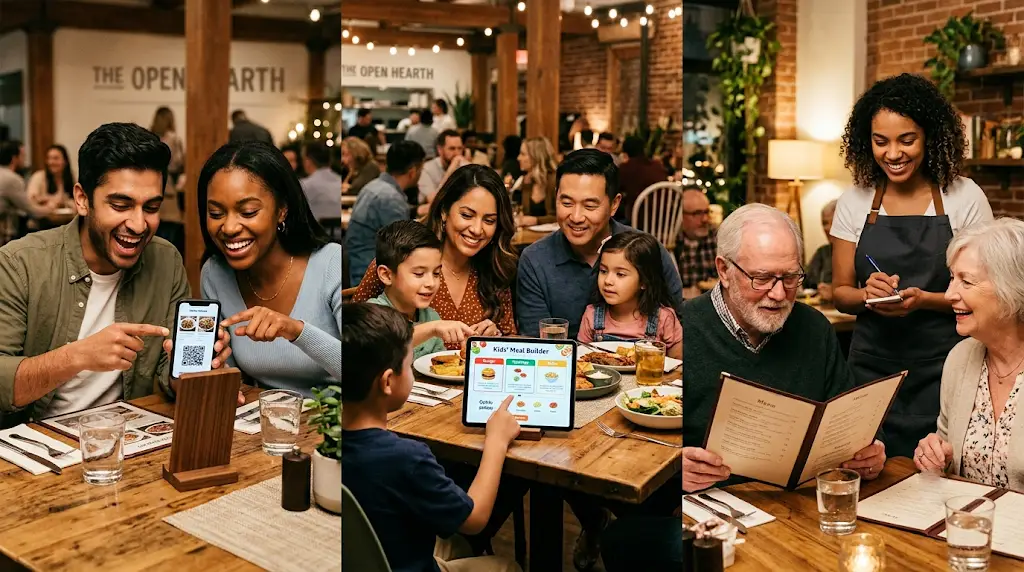
Families often enjoy the convenience of browsing digital menus while customizing meals for children.
However, some still appreciate having printed menus available for younger children or older relatives.
Many older customers continue to prefer printed menus because they are easier to read and don't require a smartphone.
Offering both options ensures that everyone feels comfortable.
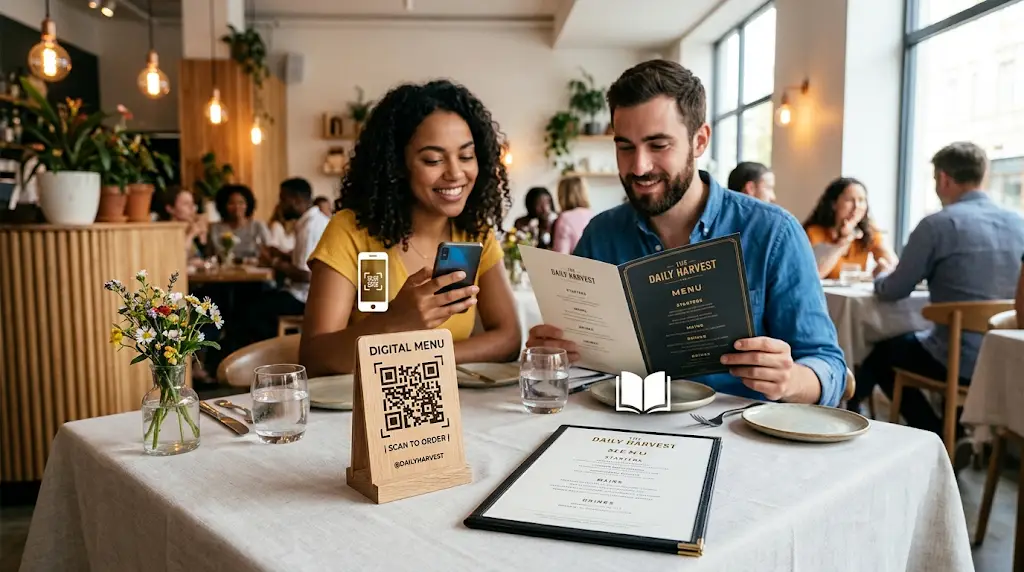
Instead of choosing one over the other, many successful restaurants provide both QR code ordering and traditional menus.
This hybrid approach gives customers the freedom to choose the experience they prefer.
Benefits include:
Restaurants can encourage digital ordering while still accommodating guests who prefer printed menus.
Modern restaurants need technology that simplifies operations without compromising customer service.
EatzPro offers an integrated restaurant management platform designed to support both digital and traditional dining experiences.
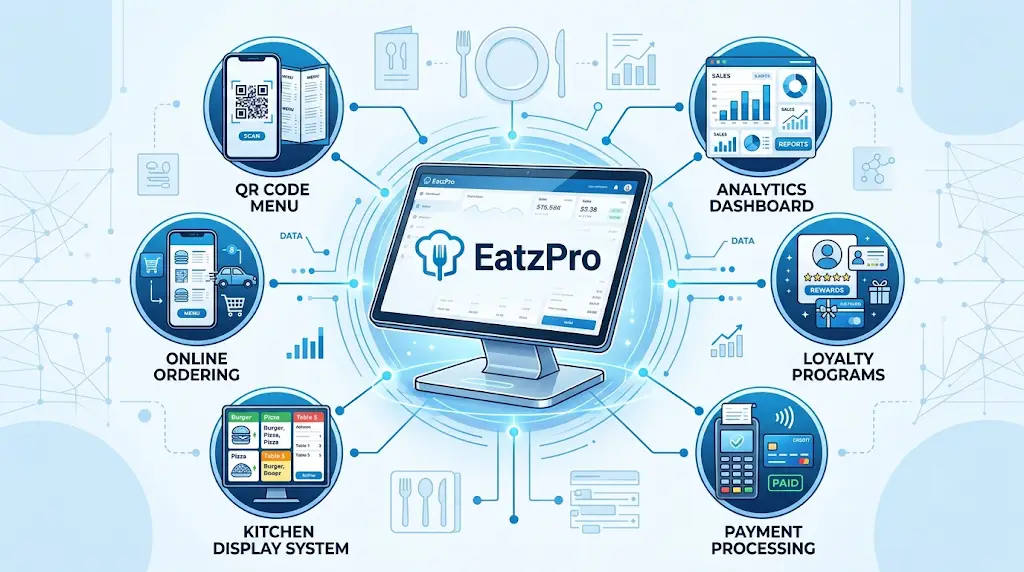
Key capabilities include:
With these features working together, restaurants can improve efficiency, reduce operational costs, and deliver a smooth customer experience from ordering to payment.
Yes. QR Code Menus Eliminate Recurring Printing Costs, Allow Instant Menu Updates, And Reduce Paper Waste, Making Them A Cost-effective Solution Over Time.
View MoreYes. QR Code Ordering Can Increase Average Order Value Through Digital Upselling, Reduce Ordering Errors, Speed Up Table Turnover, And Encourage Repeat Business With Loyalty Integrations.
View MoreMany Younger Customers Prefer QR Code Menus For Speed And Convenience, While Some Older Diners Still Prefer Printed Menus. Offering Both Options Provides The Best Customer Experience.
View MoreMost Restaurants, Cafés, Food Courts, And Quick-service Businesses Can Benefit From QR Code Ordering. Fine Dining Restaurants May Choose A Hybrid Approach By Offering Both Digital And Printed Menus.
View MoreQR Code Ordering Allows Customers To Scan A QR Code With Their Smartphone To View A Digital Menu, Place Orders, Customize Items, And Make Payments Without Using A Printed Menu.
View More