
The restaurant industry is evolving rapidly. Customers expect seamless digital experiences, faster service, and convenient ordering options. Whether ordering takeout, delivery, or scheduling meals ahead of time, modern diners increasingly prefer restaurants that offer online ordering capabilities.
As competition continues to grow, restaurants that rely solely on phone orders risk losing customers to competitors offering faster digital experiences. A modern online ordering system integrated with a restaurant POS platform can significantly improve operational efficiency while increasing revenue opportunities.
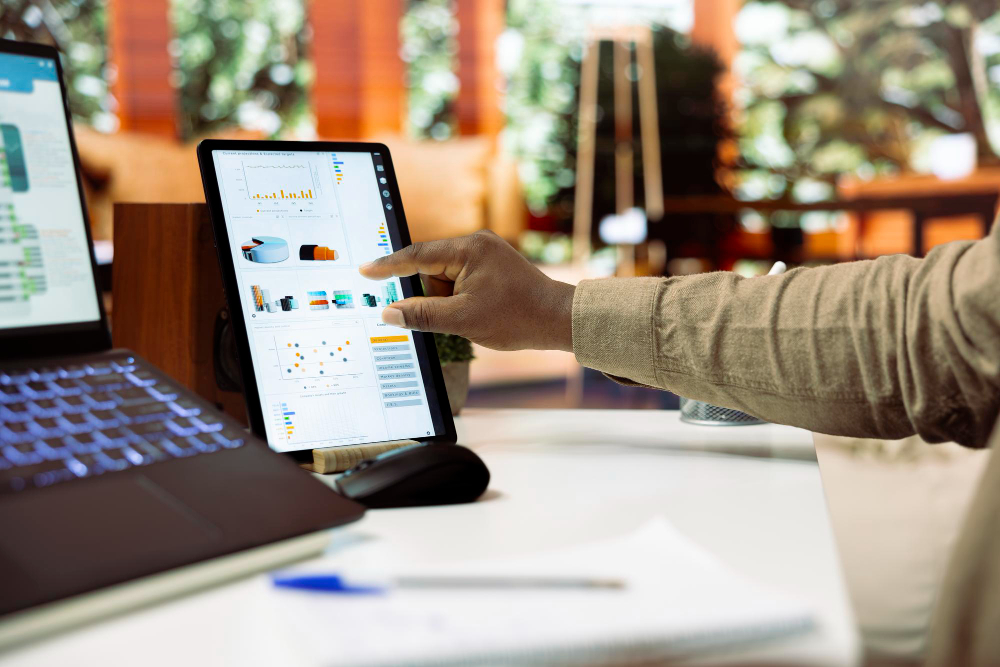
It starts with a simple tap on a screen. Online ordering transforms the dining experience by eliminating phone-order bottlenecks and reducing manual entry errors. Customers can browse menus, customize orders, and complete payments quickly.
Digital ordering also creates opportunities for upselling by suggesting complementary items during checkout. This increases average order value while reducing workload for staff.
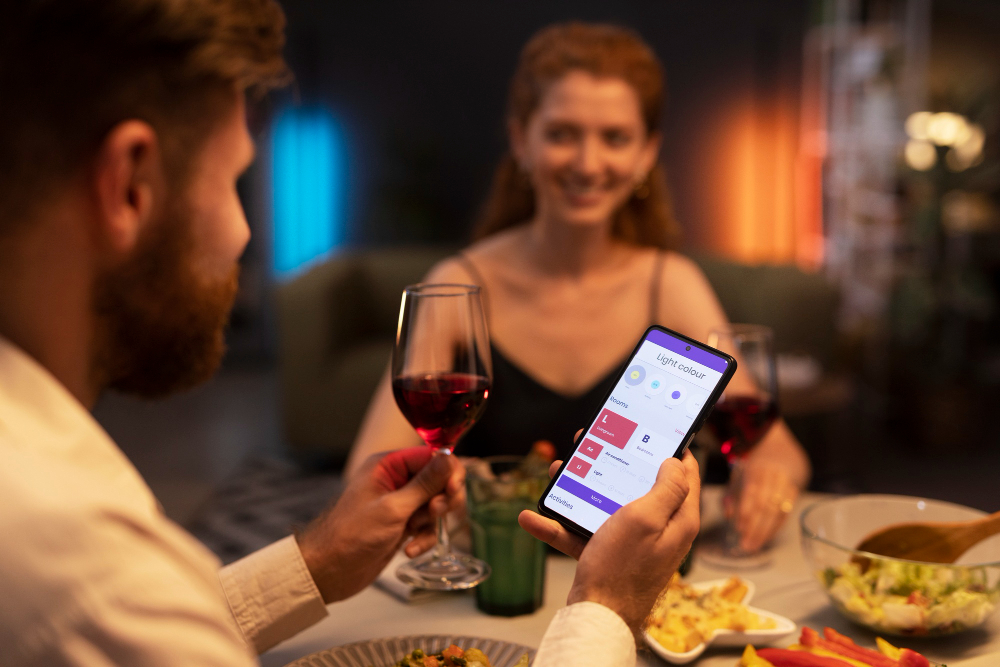
Online ordering is no longer optional. Customers want to browse menus digitally, customize meals, pay online, and track order status in real time. Restaurants that provide these conveniences are more likely to attract and retain customers.
Many successful restaurants invest in modern restaurant POS features to streamline operations and improve customer experiences.
Phone orders can create bottlenecks during busy periods. Staff members spend valuable time answering calls, entering orders manually, and processing payments.
An online ordering system automates these repetitive tasks, allowing restaurants to accept multiple orders simultaneously while employees focus on food preparation and customer service.
Order mistakes are a major source of customer complaints. Online ordering enables customers to select items and modifications directly, reducing communication errors.
Restaurants can further improve efficiency using POS order accuracy solutions .
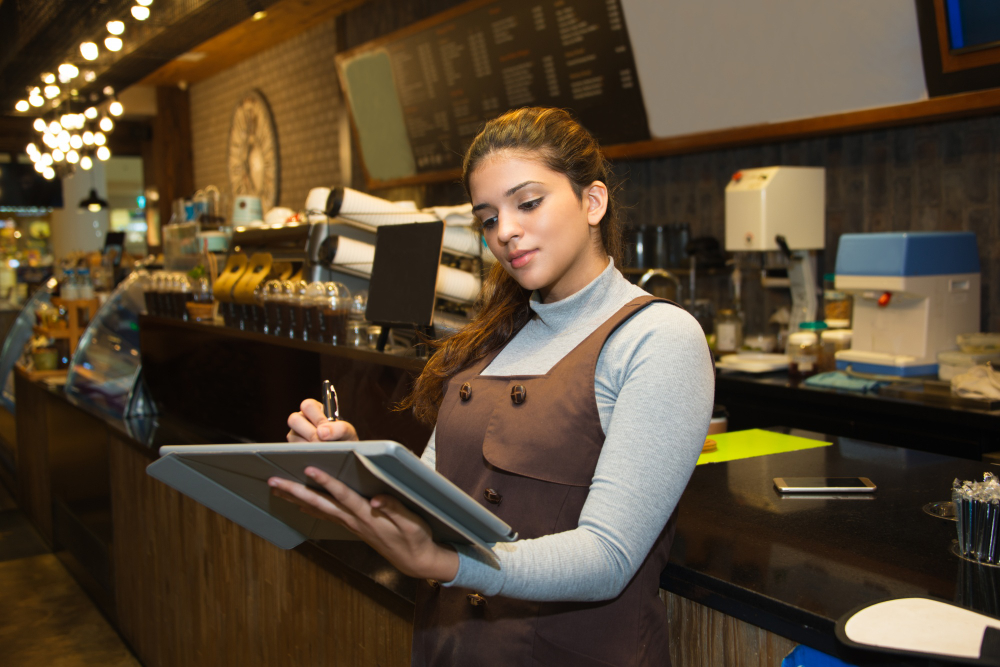
Modern online ordering systems automatically suggest additional items such as beverages, desserts, combo upgrades, or side dishes during checkout.
These automated recommendations encourage customers to spend more without requiring staff intervention, helping increase overall revenue.
While delivery marketplaces provide visibility, their commission fees can significantly impact profit margins.
Operating a branded online ordering platform allows restaurants to maintain pricing control, build stronger customer relationships, and run targeted promotions while keeping more revenue.
Every online order generates valuable customer data that can help restaurants improve performance.
Restaurant owners can identify:
Using restaurant data analytics helps owners make data-driven business decisions.
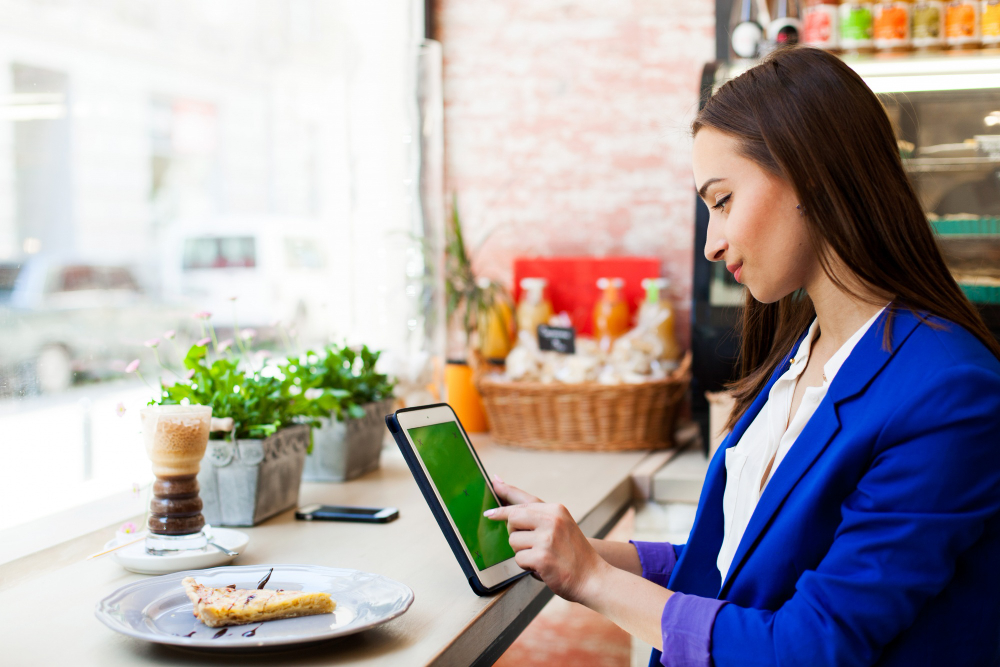
Integrated online ordering systems automatically track menu sales and ingredient usage in real time.
Restaurants can reduce waste and improve profitability through restaurant food cost management .
Repeat customers contribute significantly to restaurant revenue. Online ordering platforms help build loyalty through:
Online ordering systems have become one of the most effective growth tools available to restaurants in 2026. By improving convenience, reducing operational errors, increasing average order value, and delivering valuable business insights, restaurants can achieve sustainable revenue growth while providing exceptional customer experiences.
As customer expectations continue to evolve, investing in a fully integrated online ordering and POS solution is no longer just a competitive advantage—it is a business necessity.
Absolutely. Small Restaurants, Cafés, Bakeries, Food Trucks, Ghost Kitchens, And Local Eateries Can Increase Sales, Reduce Operational Costs, And Compete With Larger Restaurant Chains By Offering Convenient Online Ordering.
View MoreYes. Digital Ordering Platforms Can Automatically Recommend Add-ons, Combo Meals, Beverages, Desserts, And Premium Upgrades During Checkout. These Personalized Upsell Suggestions Often Lead Customers To Spend More Per Order.
View MoreCustomers Enjoy Faster Ordering, Secure Online Payments, Real-time Order Tracking, Scheduled Pickup Or Delivery, Digital Menus, And The Convenience Of Ordering From Any Device. These Features Improve Satisfaction And Encourage Repeat Business.
View MoreAn Online Ordering System Increases Restaurant Revenue By Making It Easier For Customers To Place Orders Anytime, Reducing Abandoned Orders, Increasing Average Order Value Through Upselling, And Allowing Restaurants To Accept More Delivery And Pickup Orders. It Also Reduces Manual Errors And Improves Operational Efficiency.
View MoreA Modern Restaurant Online Ordering System Should Include:
A Restaurant-owned Online Ordering System Helps Avoid High Third-party Commission Fees, Gives Full Control Over Customer Data, Strengthens Brand Loyalty, And Improves Long-term Profitability. Customers Can Order Directly From The Restaurant's Website Without Relying Solely On Food Delivery Marketplaces.
View More